How to choose a hike that suits you?
I’ve been hiking for quite some time now and some of my friends have been asking how to choose a suitable route. There are probably more of you, who wish to go further, but aren’t sure where to start.
To be a memorable hike, it does not have to be long or on difficult terrain. A great experience often depends much more on whether the trail matches your expectations, physical fitness, and level of preparation.
First, think about why you are going hiking. Do you want a peaceful walk in nature, to take photographs, watch birds, or get a proper workout? If your goal is relaxation, choose a shorter, well-marked trail. If you are looking for a challenge, pay attention to the trail length, elevation gain, and surface.
A very well organized compieting hiking event can be not the experience you’re looking for. The trail markings may be excellent, the scenery may be beautiful, food and drink stops may be well planned. But because it is a sports event, you try to keep up the pace. After all, nobody wants to finish last, and at some point the finish line will be eventually closed. It may become a big mistake, because instead of returning from the trail relaxed, you may comeback irritated. Just because the event wasn’t what you were expecting.
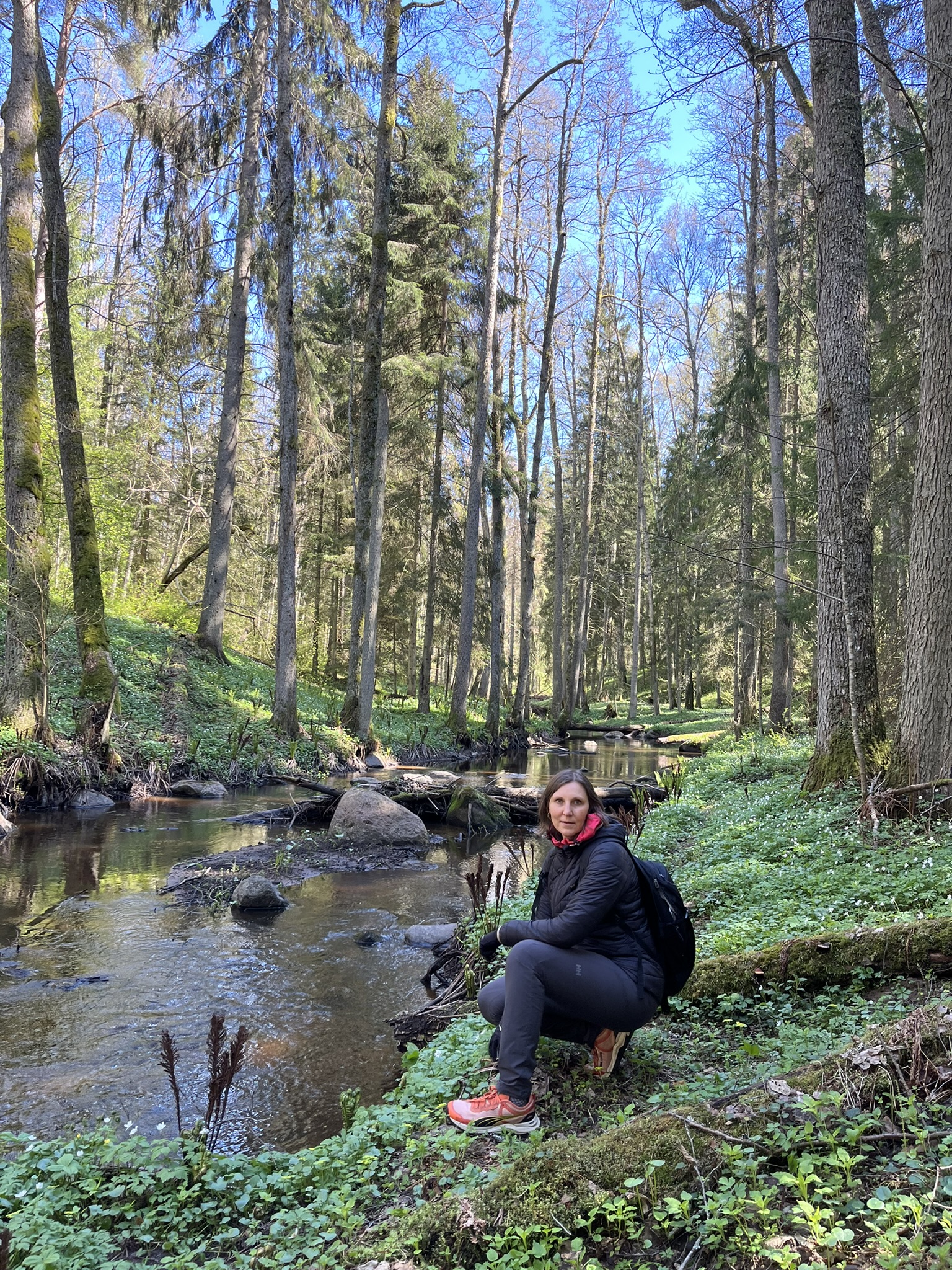
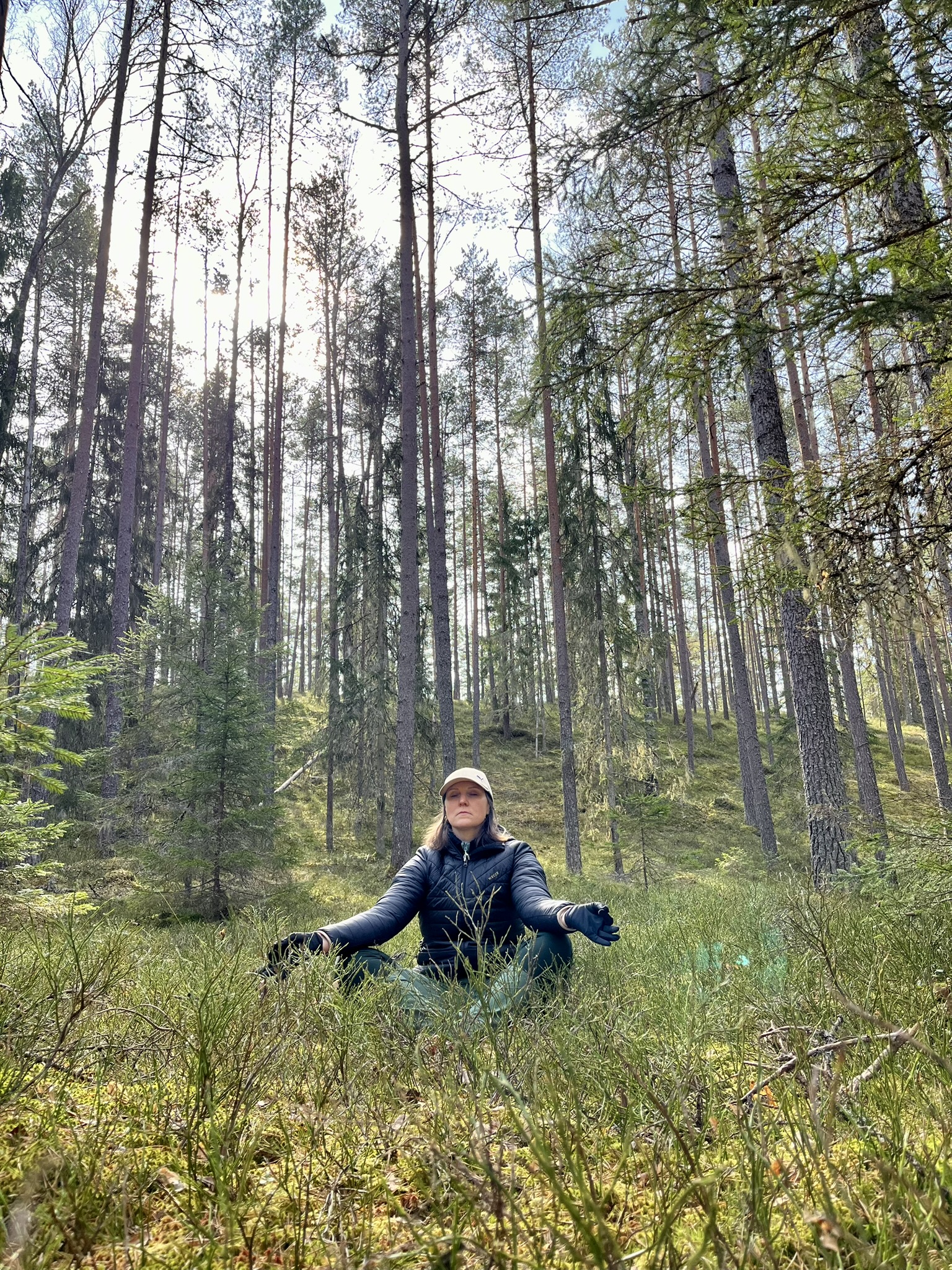
If the purpose of hiking is a change of environment and noticing both yourself and nature. The sense of peace and satisfaction you are seeking from hiking comes from traveling alone or with a small group and without time pressure. If you want to use a forest path instead of a sandy road, you can do that. If you want to have six picnics instead of three, you can do that too.
Another important part is to assess your physical fitness honestly. For beginners, a trail of 3–6 km that can be completed in 1–2 hours is usually suitable. A more experienced hiker can choose a longer loop or more varied terrain.
A small challenge can certainly give a pleasant feeling that lasts for a long time, but if you end up suffering from for example foot pain afterward or put yourself in danger by choosing the wrong terrain, that is not a good choice at all.
Do not forget the season and the weather. In autumn, forest trails can be wet and slippery, in winter, snow and ice affect movement. The recommendation to dress in layers applies in every season. Even in summer, a forested section of the trail may feel hot, while open areas can be much windier.
Do not worry too much about muddy sneakers. You can probably wash them clean at home. If possible, keep a change of clothes and shoes ready in the car. That way, you do not have to worry on the trail about how you will get home afterward.
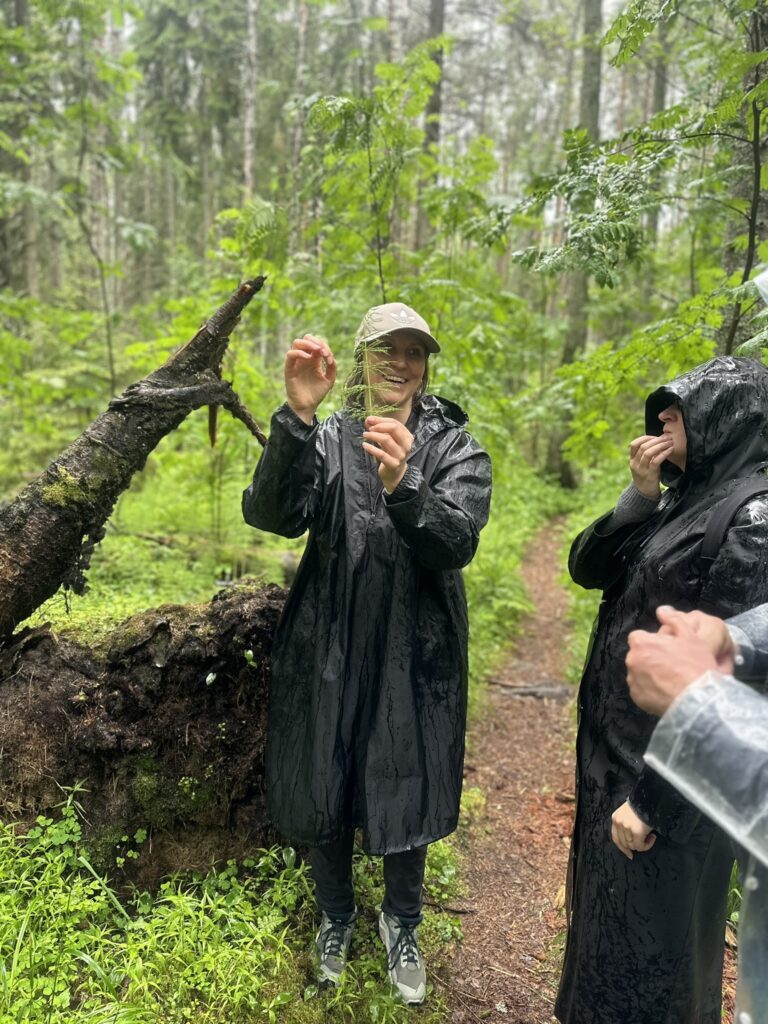
A small rain poncho takes up very little space in a backpack, but can make a hike much more pleasant. A light summer shower is not a big problem, but in autumn, continuing to walk in wet clothes can feel very cold in the wind. The one in the photo is from Decathlon and manages the job perfectly.
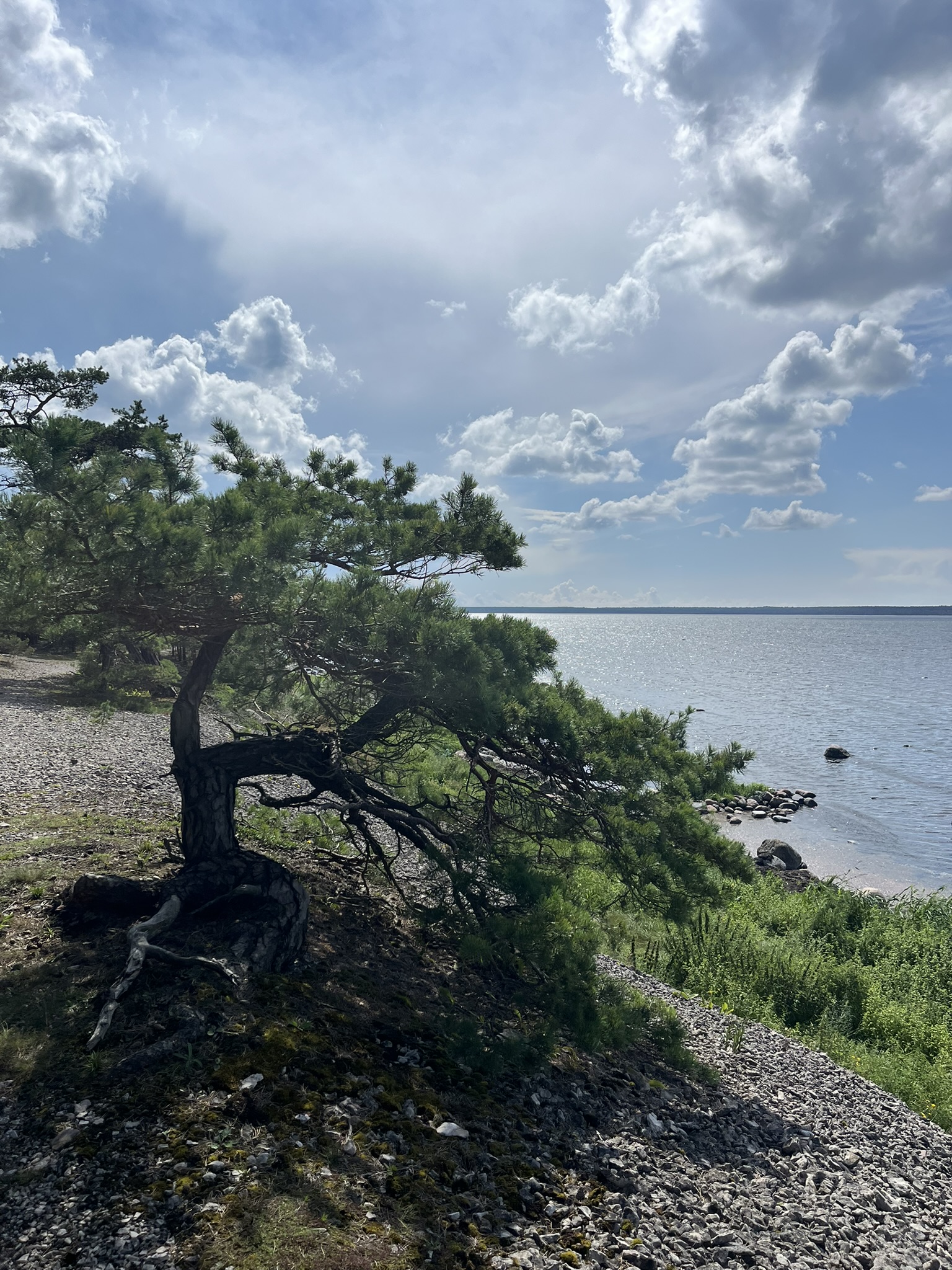
A good trick is to choose a trail that has something you are genuinely interested in—for example, a bog, a waterfall, a sea view, or an observation tower. When the destination excites you, the walking feels easier as well.
In summary, a trail that is slightly too easy is better than one that is too difficult. If, at the end of the hike, you feel that you could have gone a little farther, you have most likely chosen a trail that suits you well. That creates the desire to return to nature, which is the most important thing of all.