Bogs are among the most fascinating and unique natural environments in Estonia.
Bog walking is becoming more and more popular among Estonians and country guests. At first glance, they may seem rather quiet and monotonous, but in reality, they are home to a remarkably diverse range of plants. Bog plants have adapted to living in an environment with plenty of water, few nutrients, and acidic soil. It is precisely these unusual conditions that have shaped plant species you do not encounter elsewhere in nature.
One of the most characteristic bog plants is peat moss, or sphagnum. It forms a thick carpet, ranging from green to reddish shades, and plays an important role in the formation of bogs. Tiny as it is, sphagnum can absorb 10–20 times its own weight in water, allowing it to cope with temporary dry periods when necessary.
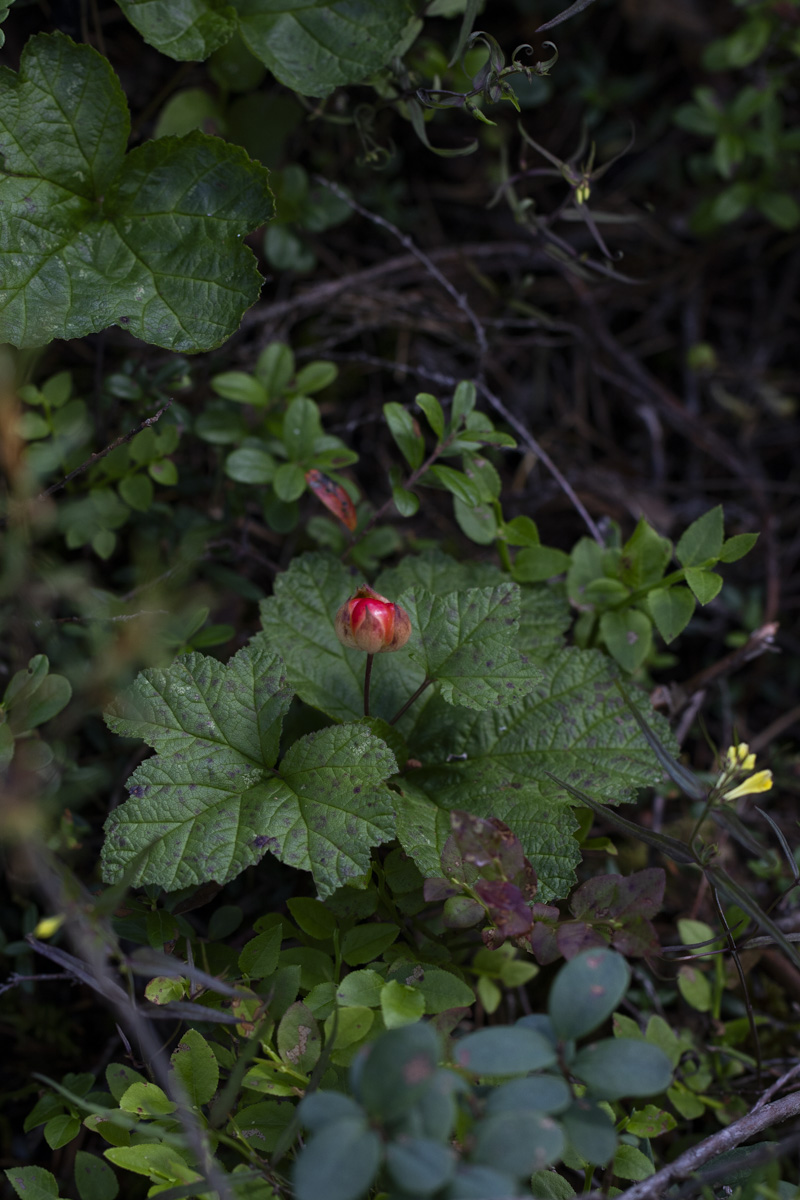
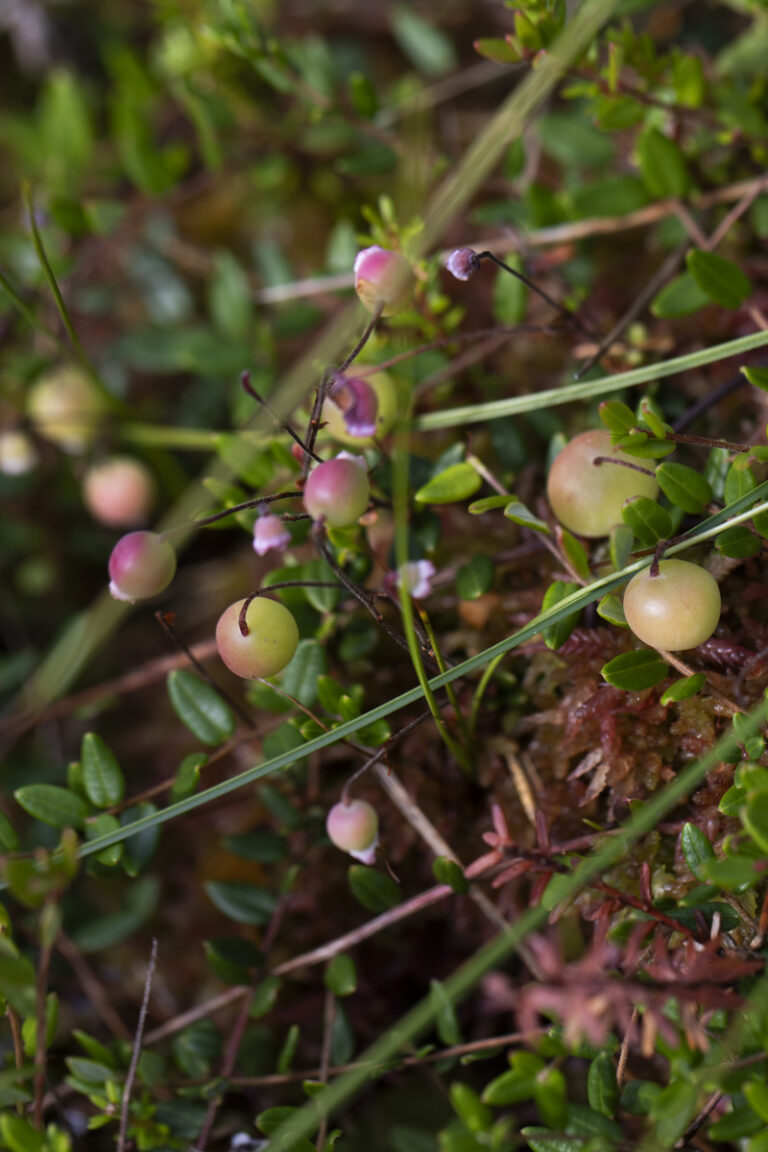
And on that green carpet, you can also find plenty of edible treats. Cranberries, lingonberries, crowberries, bilberries, cloudberries… all you need is the energy to pick them! You can turn them into juice or jam, or simply pop them straight into your mouth.
One of the best plants for bees also grows in bogs. Despite the nutrient-poor environment, heather blooms abundantly and is very rich in nectar.
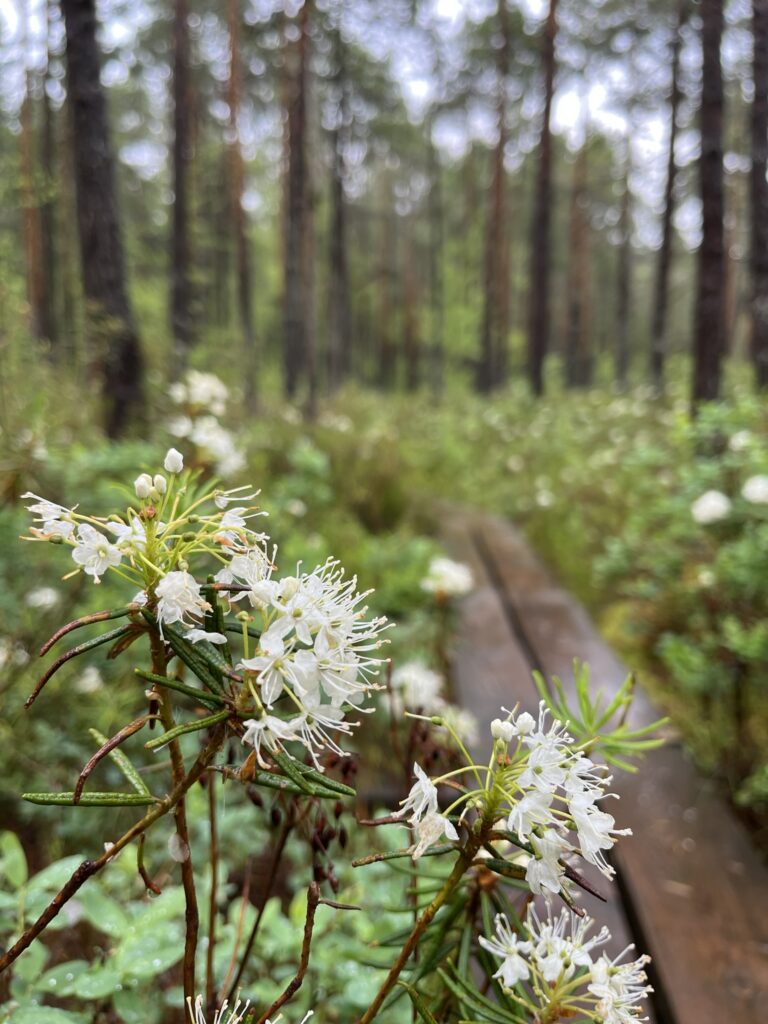
Not everything is quite so rosy, though. Some plants, such as marsh Labrador tea or marsh rosemary (Rhododendron tomentosum), can make sensitive people feel unwell without them even touching the plant. The scent produced by its essential oils can, for example, cause a headache. Some people also describe experiencing dizziness, but fortunately, I have never noticed that myself. In general, I rarely notice the smell of marsh Labrador tea, and usually only when I crush it between my fingers.
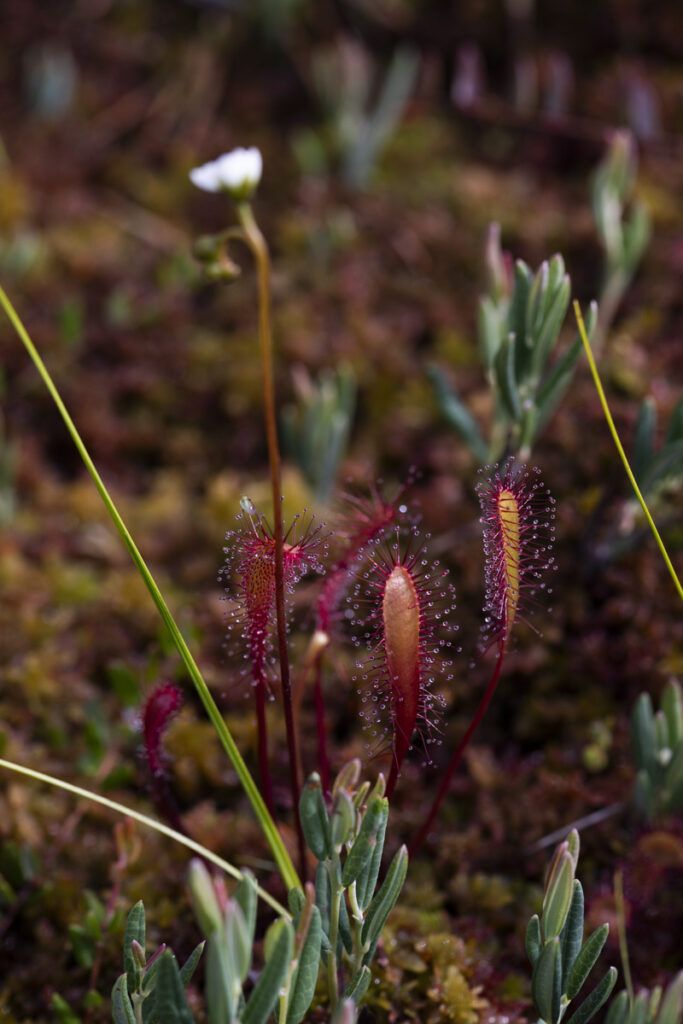
But we also have a real little predator growing in our bogs: sundew. It is actually quite small, but an enthusiastic insect catcher. As mentioned earlier, bogs are generally nutrient-poor environments, so some plants have become remarkably clever during their evolution and learned to feed on insects. Sundew leaves are covered with sticky droplets that trap insects. Once, I even managed to interrupt a sundew during its lunch break when my own lunch sandwich happened to land right next to it.
When visiting a bog, it is worth remembering that it is a delicate ecosystem. Plants often grow slowly there, and trampling can damage the moss layer and other vegetation. That is why it is best to stay on boardwalks or marked trails and observe the plants without disturbing them.
Bog plants are a great example of the many different ways plants can survive in nature. Some store water, others manage to thrive in nutrient-poor soil, and some even catch insects in order to survive. These adaptations are exactly what make bogs such fascinating and valuable natural environments.
So, the next time you find yourself out in a bog, take a moment to stop and look a little closer. Behind a tiny tuft of moss or an unassuming little shrub, there may be a whole story about how life manages to survive in challenging conditions.
You are very welcome to join us on hikes to the bog