Bird Migration in Estonia. When and Where to Watch Migratory Birds?
Although I am neither an ornithologist nor a professional photographer, you simply cannot fail to notice the major spring and autumn bird migrations when spending time outdoors. It always makes me want to stay in one place a little longer and watch this fascinating spectacle of nature.
Estonia is becoming increasingly popular among birdwatchers, and we have excellent opportunities for it. Estonia’s coastlines, islands, wetlands and headlands lie along important migration routes and offer wonderful opportunities both for birdwatching and bird photography.
But let’s assume there are more casual nature lovers like me out there, so this post is for you. Which birds to look for, when and where to go, and what to take with you — based on my own experience.
When to go and what birds can you spot?
Although birds are actually migrating almost all the time — there is always someone on the move somewhere — the busiest periods are spring and autumn. That is when the numbers are large enough and the movement intense enough for even a non-birdwatcher to notice.
The autumn migration generally takes place between August and November, although the exact timing naturally depends on the species, weather, temperature and wind.
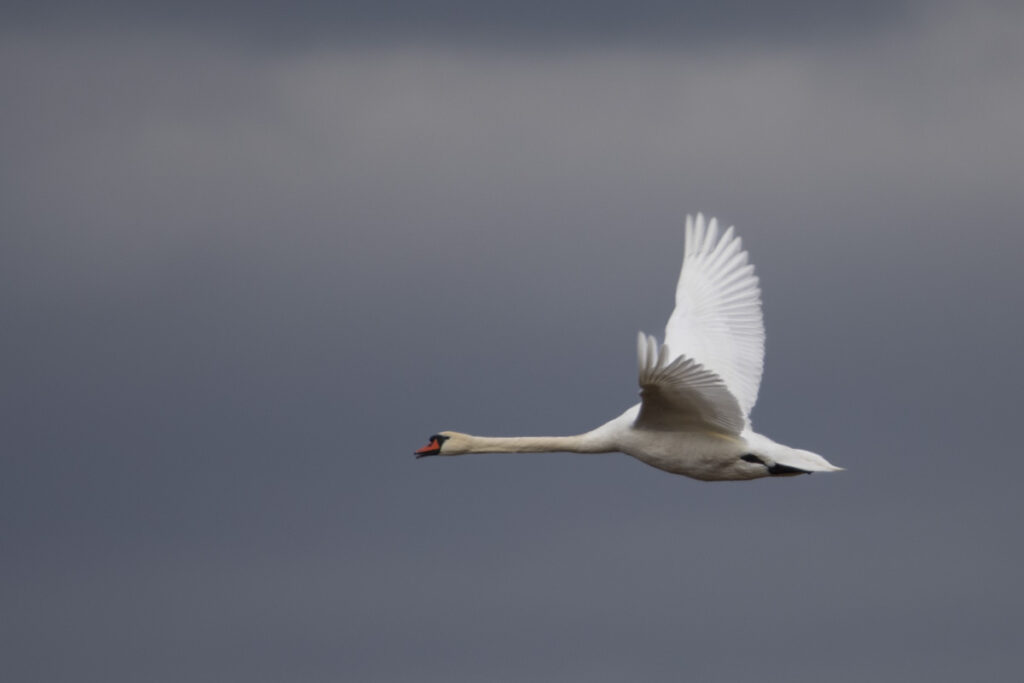
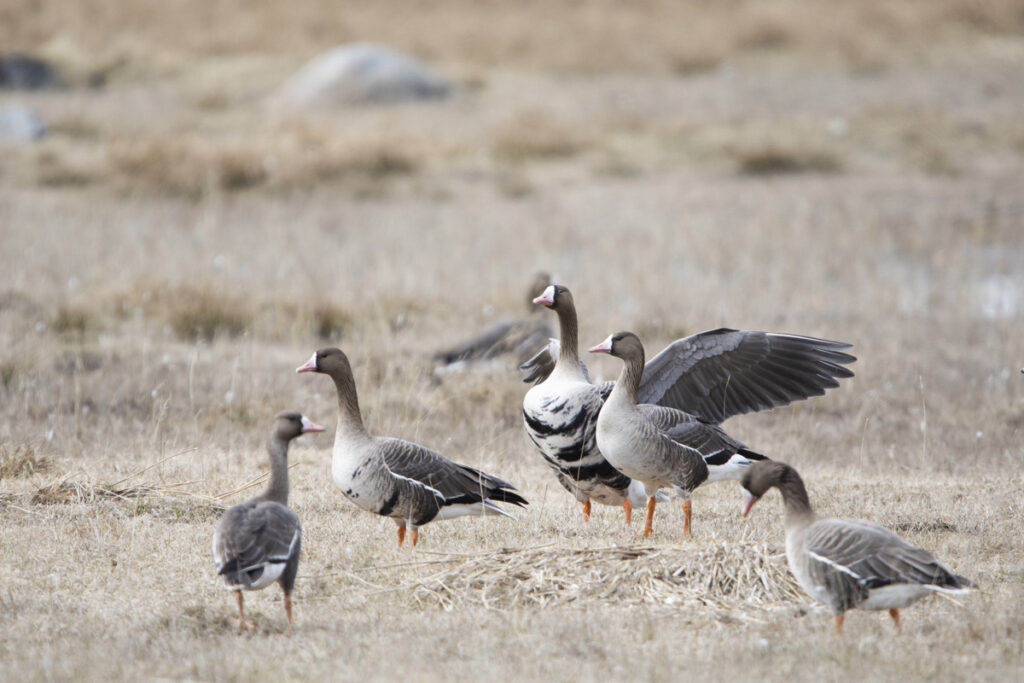
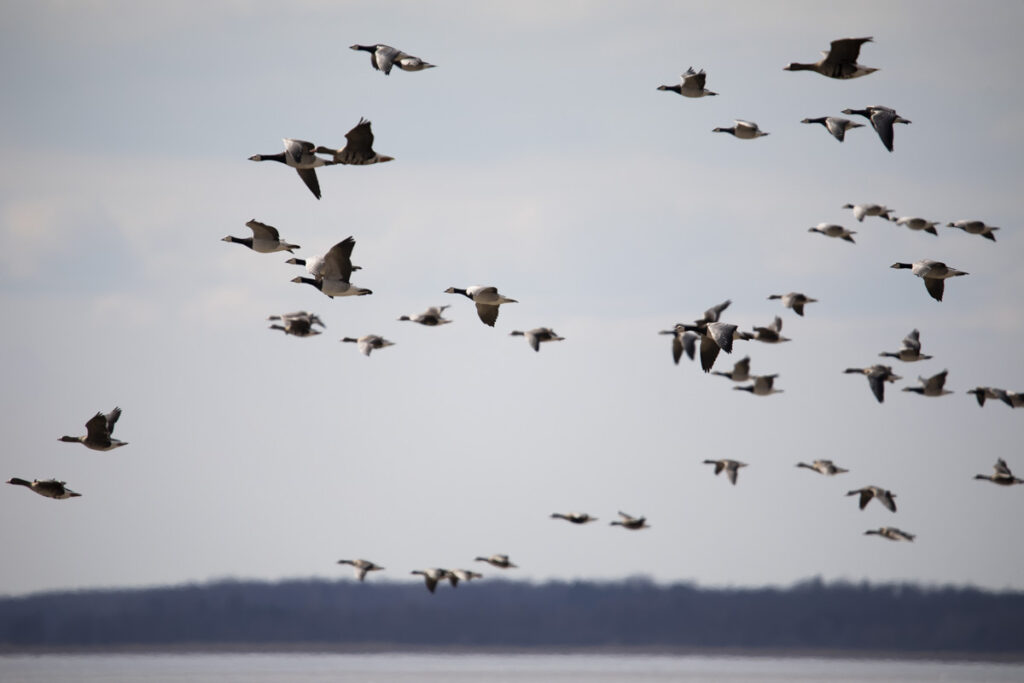
The easiest birds to notice are probably the larger species flying in flocks. You can often hear them long before they actually come into view. Swans, cranes, geese, barnacle geese. Have you ever stood outside on a windless day and simply listened to the sound of all those wings? Wonderful, isn’t it?
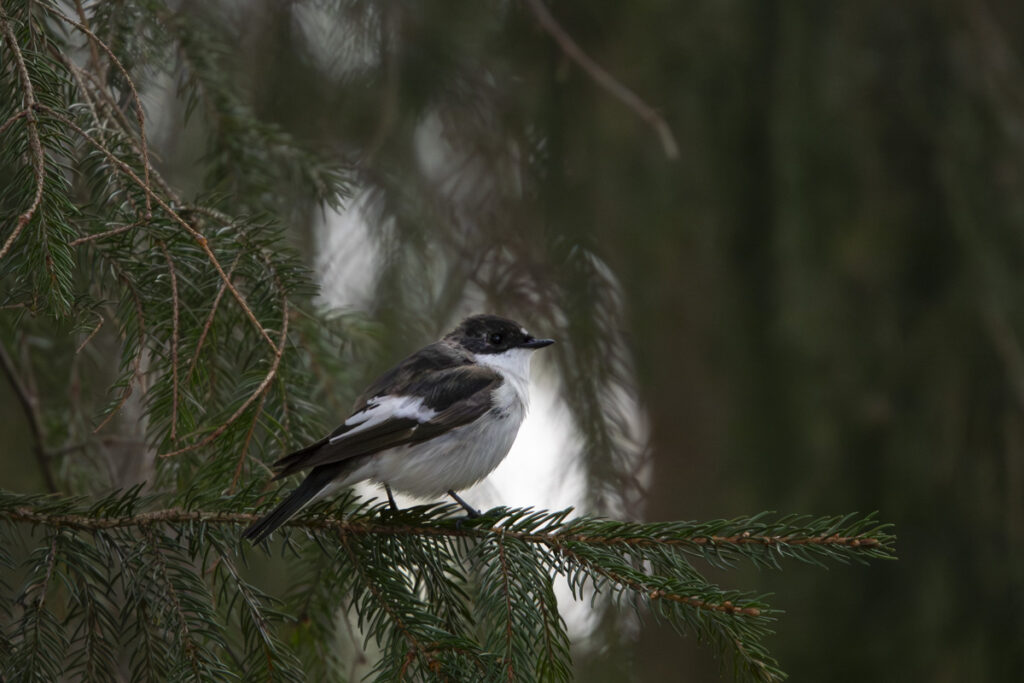
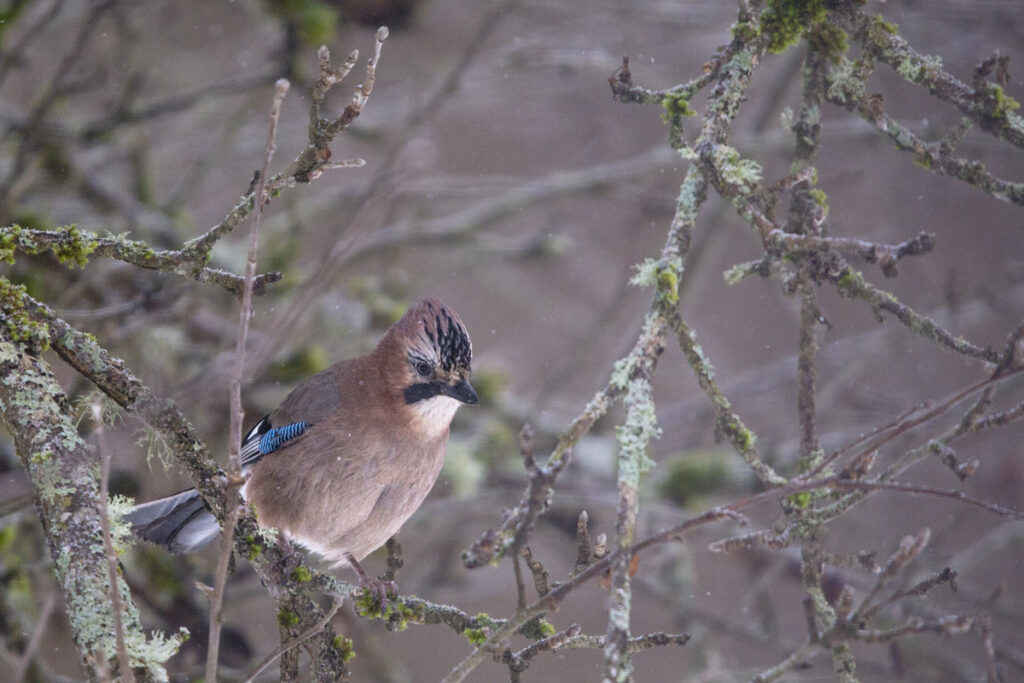
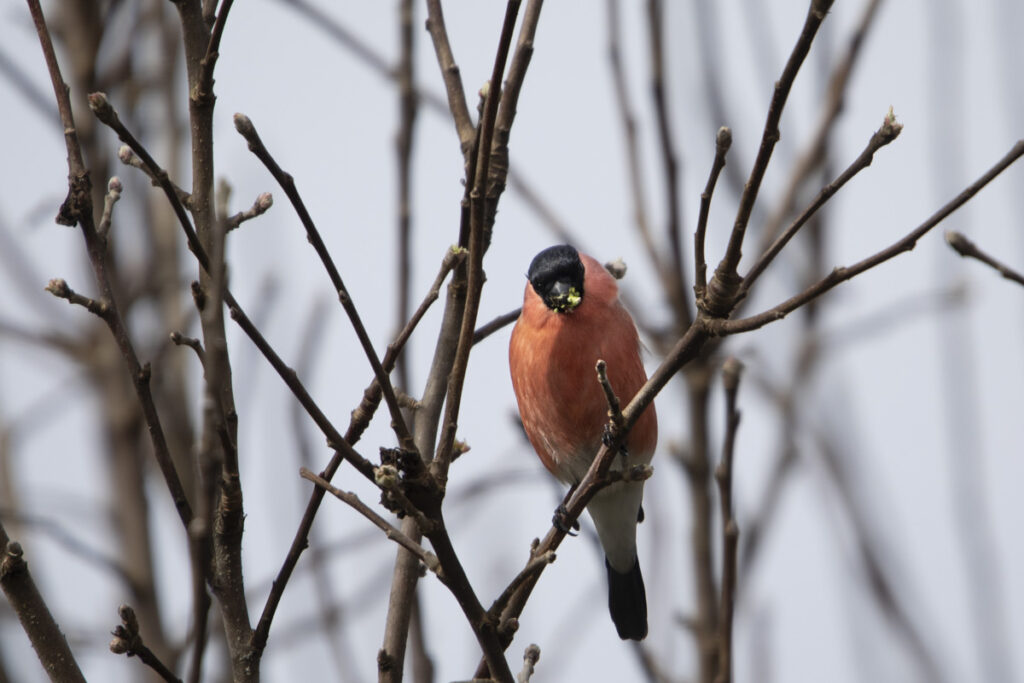
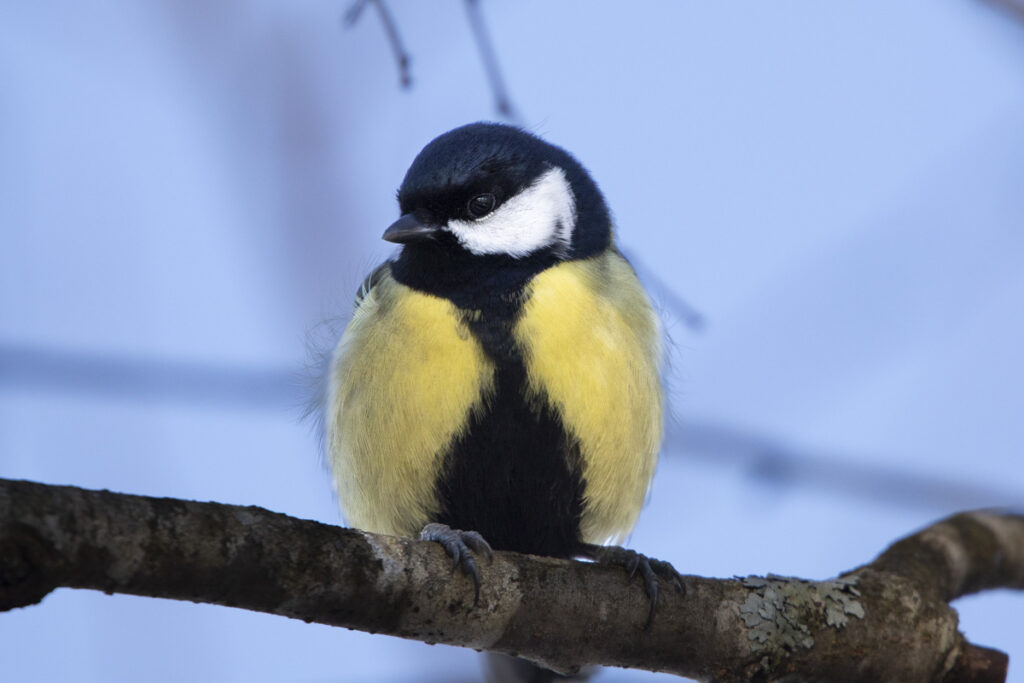
Around my home, many birds had moved elsewhere for the summer, but now I am once again noticing many more different thrushes and tits. Smaller birds are, of course, relatively difficult to spot — they are often easier to hear. Now that the trees are shedding their leaves, the birds are becoming more visible too.
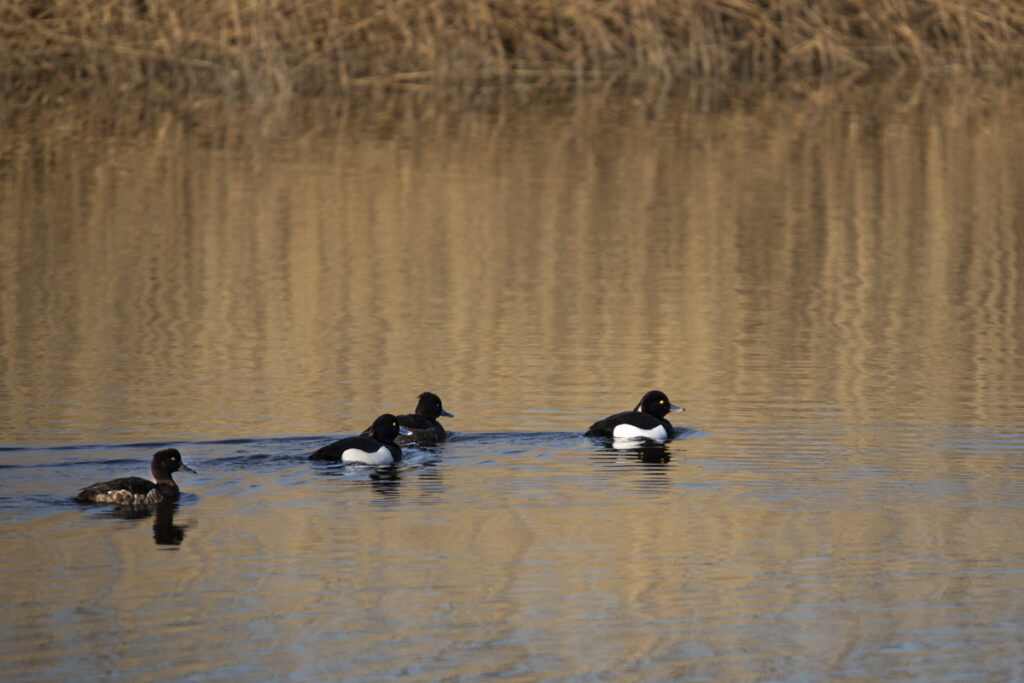
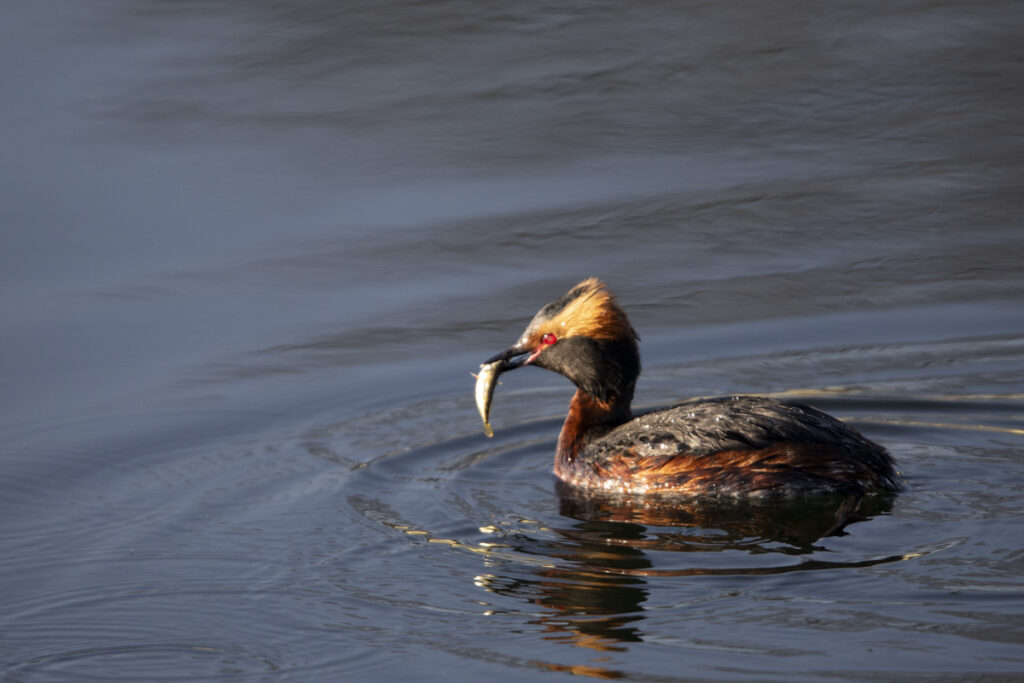
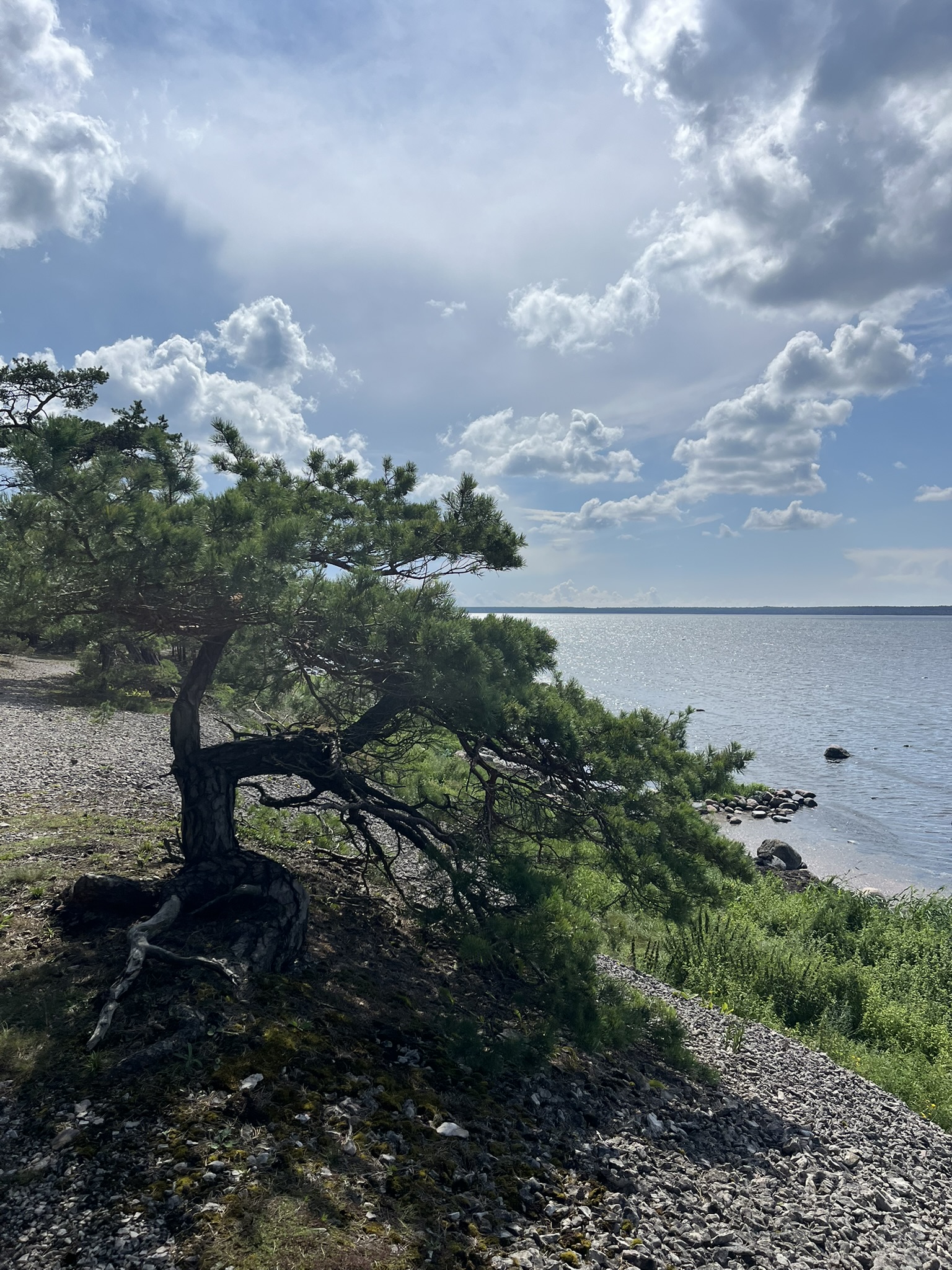
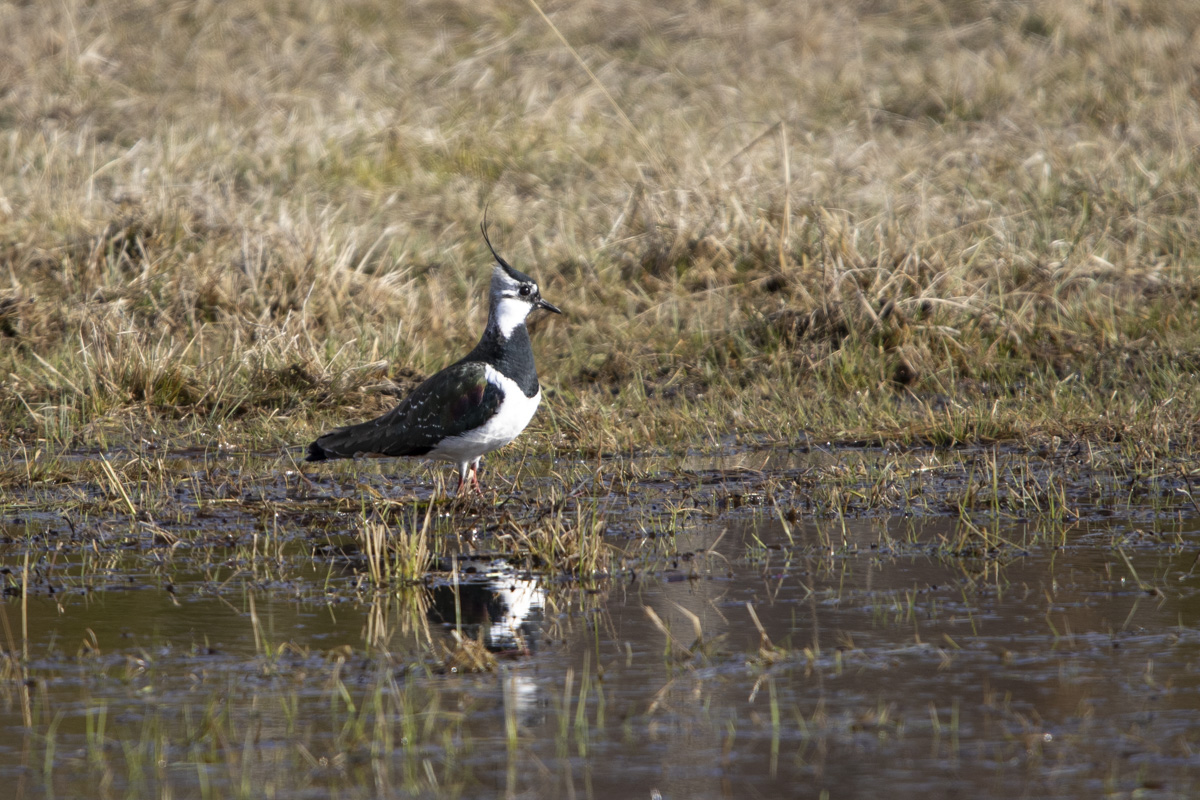
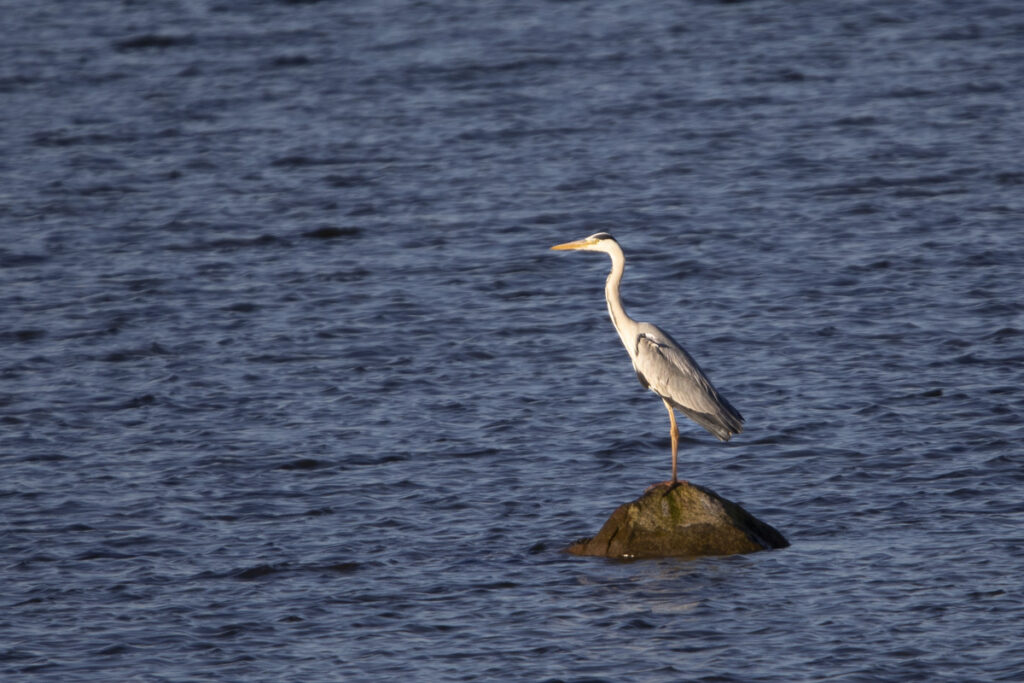
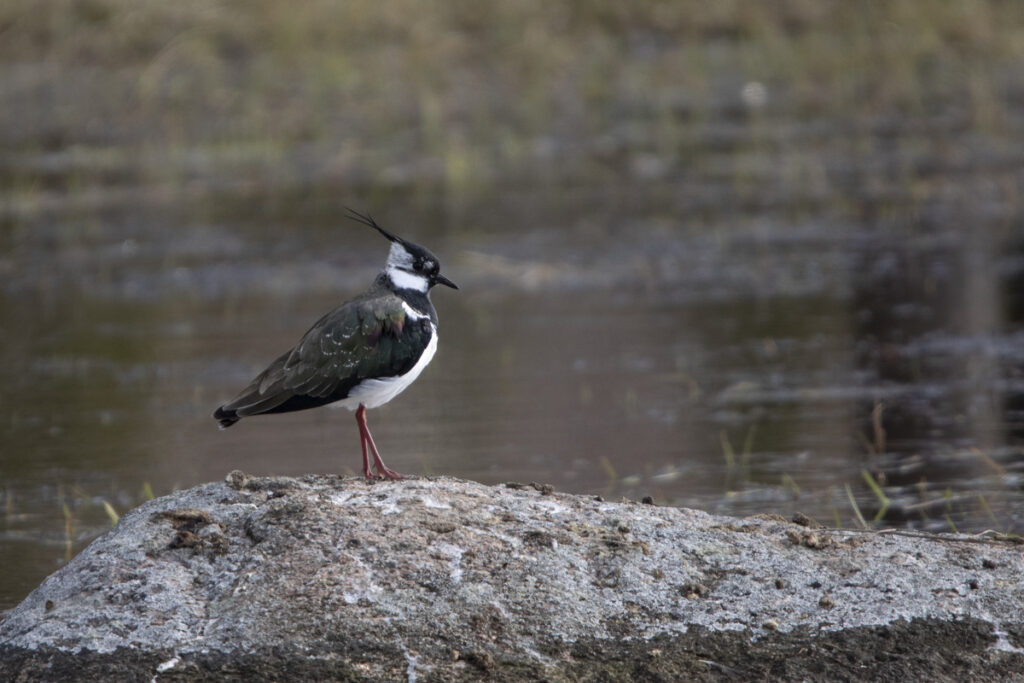
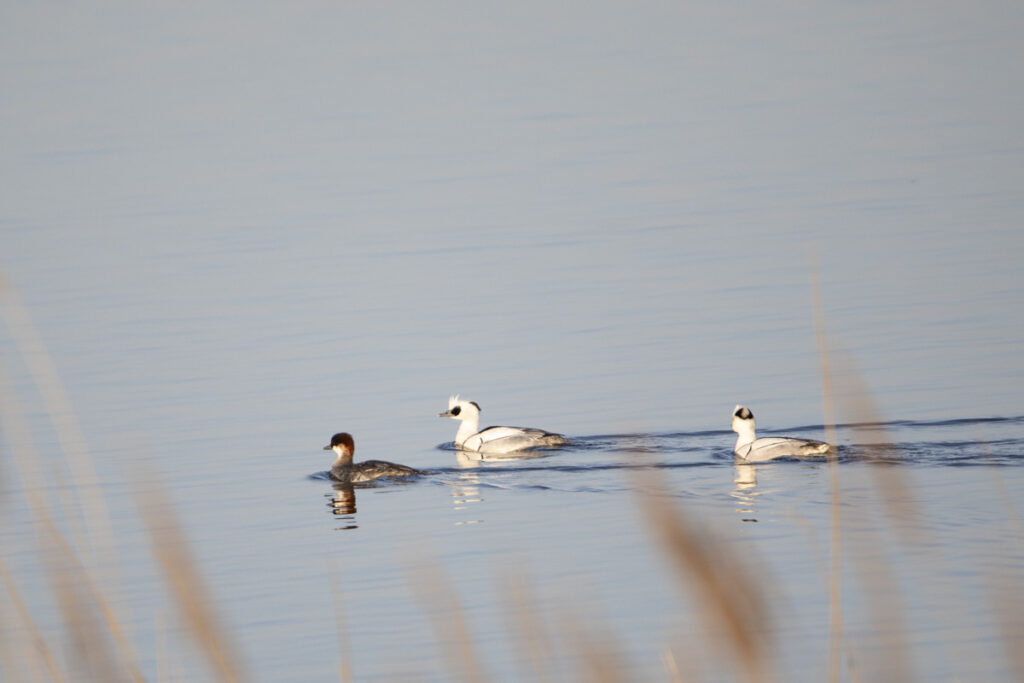
On the coast, however, leaves are not an issue. Find yourself a spot with a wide view and you may see herons, ducks, eiders, lapwings and many others. Particularly impressive are the large flocks of geese and barnacle geese, which can move across fields and along the coast in groups of dozens or even thousands.
Where in Estonia can you see migratory birds best?
Well, naturally, the coast is a great place to start. But which parts of the coast?
For example, Põõsaspea Cape, Haeska, Kabli, the Sõrve Peninsula and Puise. Of course, there are plenty of other places too. You simply have to be observant, not rush, and be willing to stop and watch.
The most exciting thing is that bird migration changes from day to day. One morning, one species may dominate, while the next day the sky can be filled with completely different birds.
What should you use for watching?
This is actually quite an important question. You may get to the right place, but if the birds are far away in a field or out at sea, sometimes all you will see are tiny dots. Seabirds can sometimes gather in huge flocks far out at sea, making them almost impossible to notice with the naked eye.
Coming back to the fact that I am not writing this for serious birding experts, but rather for fellow casual enthusiasts, I started by getting myself a pair of 10×42 binoculars. This means that the binoculars provide 10x magnification and have 42 mm objective lenses.
True, you cannot see everything with them, but they are good enough to satisfy your curiosity while still being light enough that you actually feel like carrying them around. More powerful binoculars may seem like a better choice, but if you are not used to holding them, and they are uncomfortable or heavy, or the image keeps shaking because of the increased magnification, you will not enjoy watching birds very much either.
You can always buy something more expensive and higher quality once your interest becomes more serious. At the same time, I would not recommend choosing something extremely cheap either. The quality of the lenses may be so poor that the image is blurry, or the binoculars may not allow you to adjust them properly to your eyes. Let those stay in the toy department for children to play with and develop an interest.
The next level up is spotting scopes. They are larger, offer greater magnification and, if I am not mistaken, usually require a tripod as well. Since I do not have much personal experience with them, I will leave those for the more serious enthusiast to explore.
Because I also like to preserve what I see in photographs, I use a camera with a 150–600 mm lens. Again, there are huge differences in price and quality, with options for pretty much every budget.
For me, it is quite simple: if I see a bird and manage to get a good photo, I am happy. If not, well, maybe next time. The observation itself, and the time spent simply being with myself, is more important than getting a perfect picture.
With cameras and these long lenses, there is also the issue that better quality often means larger and heavier equipment. I do not feel like carrying all of that on every walk either. Maybe I will write about how I photograph birds another time.
What else should you take with you for birdwatching?
Besides binoculars or a camera, there are actually a few other things worth thinking about.
If you have never been birdwatching before, the weather might surprise you. I do not mean the possibility of rain. We can usually check that on the weather forecast on our phones and get a fairly good idea of whether rain is likely.
What may come as more of a surprise is how much time you can spend standing in one place — and how cold you can get while doing it.
Put on an extra layer, wear warmer socks, and bring something else to keep you warm. This is especially important if you are heading to an exposed coastline where there are no trees to hide behind when the wind picks up.
A thermos of hot tea often comes in handy, as does a bird guide. The more you watch birds, the more you start to realise just how many species there are, how similar some of them can be, and how difficult it can be to tell them apart. A field guide can be a great help in such situations.
There are also several apps that can help identify birds by their calls. I personally use the Merlin Bird ID app.
And really, there is not much more to it. You just have to start somewhere. For example, by going outside and listening to the birds in your own garden, or by taking a trip to the coast.
Visit the same place several times and give yourself time, because the cast of characters around you can change at any moment.