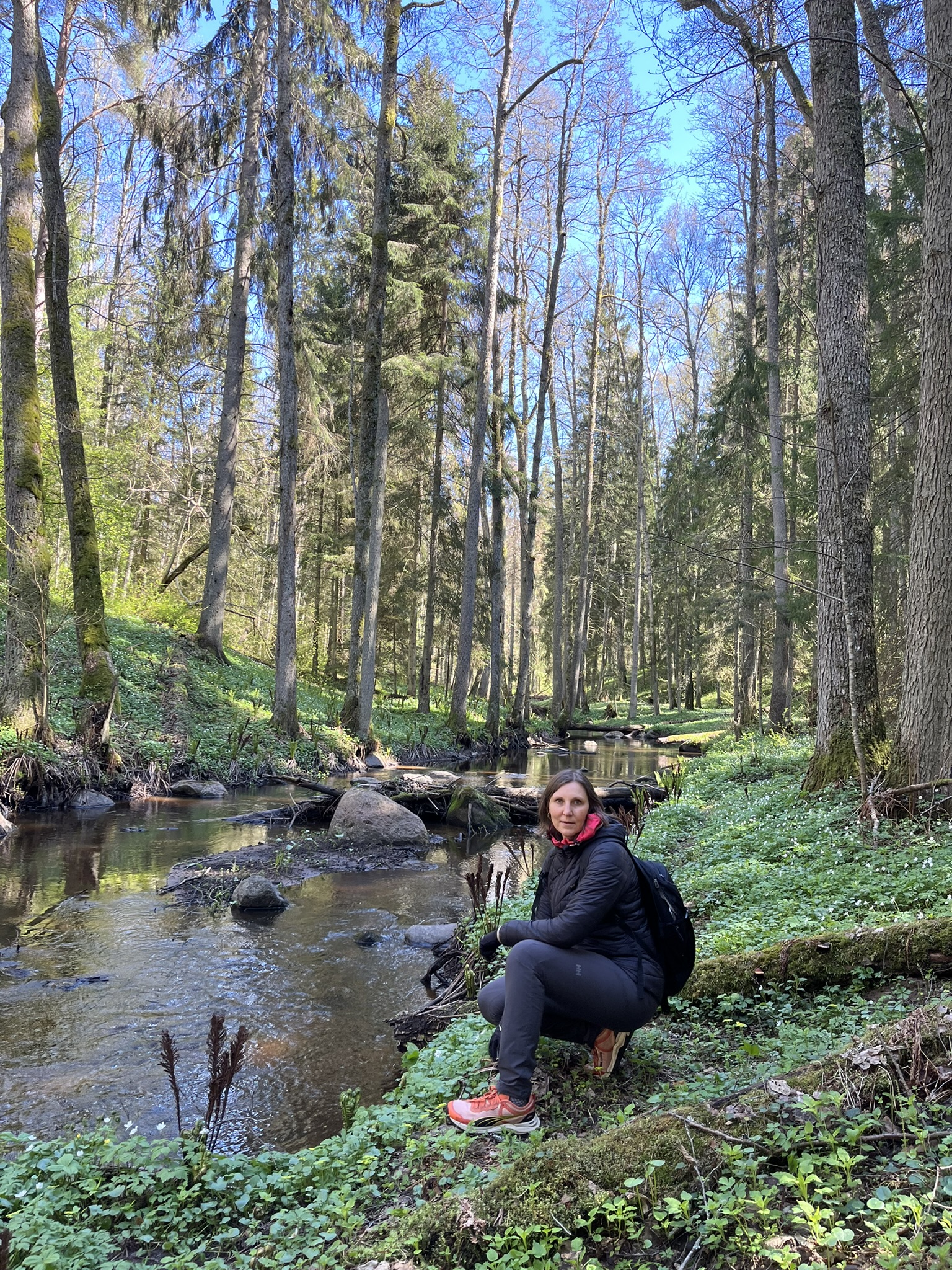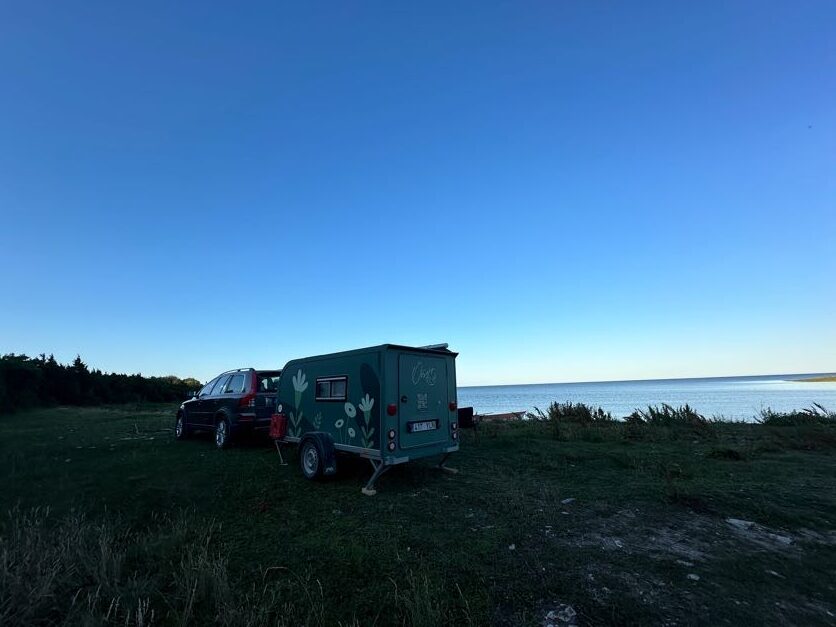
Although autumn is still treating us to golden scenery and warm weather, many hikers are already getting ready for winter. I’m one of those people who no longer feels like camping at this time of year. And as the weather gets even colder, I’ll soon have to swap my hiking shoes for boots, too. So, what does that mean for me? How can I store my hiking gear for the off-season so that I won’t have to start buying new things again in spring?
Wash, dry and put away hiking stuff?
It sounds simple enough, right? In reality, though, it takes a little more effort than that. These days, sports and hiking materials are treated with all kinds of products to make them water-repellent. Seams are taped, and so on. This means we need to pay extra attention to how we care for our hiking gear to make sure all those wonderful features remain intact even after cleaning and washing.
Let’s start with the bigger items (like tent) and work our way down
I’ll leave out the maintenance and winter storage of campervans and motorhomes for now. One of the bigger items we need to take care of is the tent.
In Estonia, it’s probably almost impossible to get through a camping season without your tent getting at least a little damp. During the season, a tent may be packed up and pitched again countless times. But when it spends the winter in storage, waiting for spring, it’s essential to make sure there’s absolutely no moisture left inside.
If you have enough space, take your tent out of its bag indoors.
Check that no dirt, mud or stains have been left behind.
Let the tent dry thoroughly before putting it away in storage.
When camping, we usually use some kind of sleeping mat and a sleeping bag. Of course, many people prefer to bring a pillow and a blanket instead. The same basic rules apply to these items, too.
Only wash them when absolutely necessary.
Unpack them and gently remove any loose dirt or debris.
If there’s a stain that needs washing, check the care instructions for your sleeping bag and use only a detergent specifically designed for it.
Make sure the sleeping bag is completely dry.
I’ve heard that a sleeping bag should spend the winter loosely stored rather than compressed inside its stuff sack.
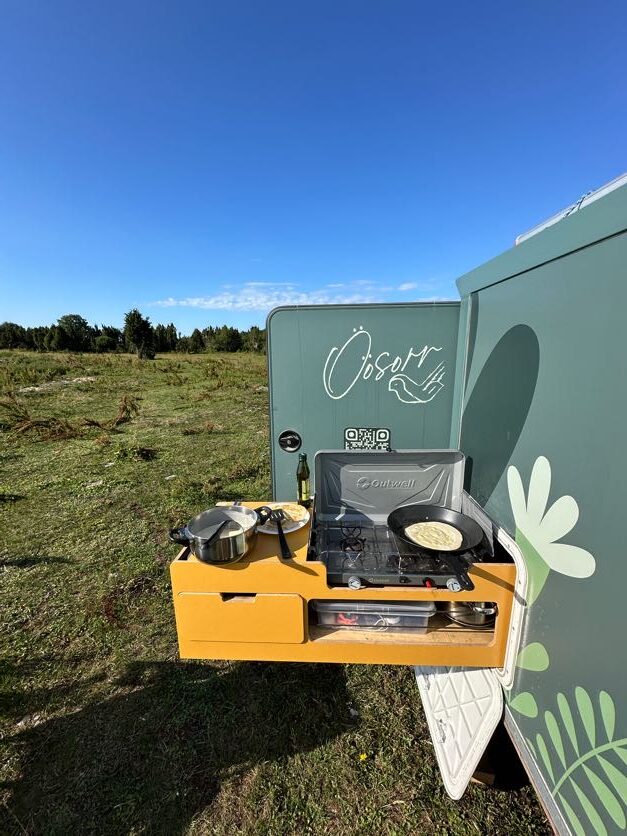
I also keep a separate picnic box that contains everything I need throughout the camping season: dishes, cleaning supplies, small containers of salt and sugar, napkins, and so on. Basically, it’s a box that saves me from having to hunt around the house for things or figure out what to pack every time we go out. I just add fresh food, and the whole family is ready to head out the door.
If you have a box like this, too, here’s what to do:
Remove any leftover food to avoid attracting insects and rodents.
Check the condition of your dishes, then wash and dry them thoroughly to prevent mould from developing.
What about hiking shoes?
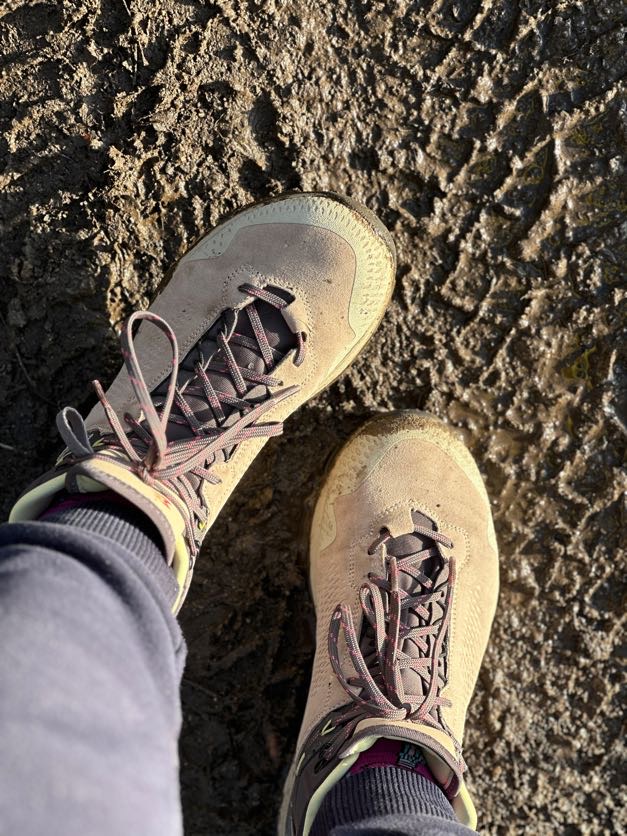
However, the items that take more of a beating and get dirtier than my tent and sleeping bag are my shoes. Throughout the season, my hiking shoes collect pine needles, stones, sand, water and all kinds of mud. During the season, I generally don’t give them a thorough wash and can usually get away with brushing off the dried dirt. But before putting them away for the winter, I need to put in a little more effort.
Remove the laces, fasteners and insoles so you can reach every part of the shoes.
Use a small brush to remove any dried dirt and debris.
Wash them with lukewarm water and a suitable cleaning product. Once again, you’ll need to choose the right product based on the materials your shoes are made from.
Let them dry slowly and naturally. Experiences vary, but using high-heat drying methods is generally not recommended, as they can damage the materials and glued areas.
So, what matters most?
There are so many different types of outdoor gear that I couldn’t possibly cover everything here. This article would become far too long! However, the same general advice applies to almost everything.
Remove dirt and residue that could encourage mould or other unwanted growth.
Dry everything thoroughly and slowly to ensure no moisture is left behind that could lead to mould.
Many items shouldn’t be stored under pressure or in completely airtight conditions.
Store your gear indoors, preferably at room temperature, and always in a dry place.
If you can follow these recommendations for most of your gear, spring can arrive with the excitement of a new hiking season rather than the anxiety of another hit to your wallet.
.