6 ideas how to hike sustainably
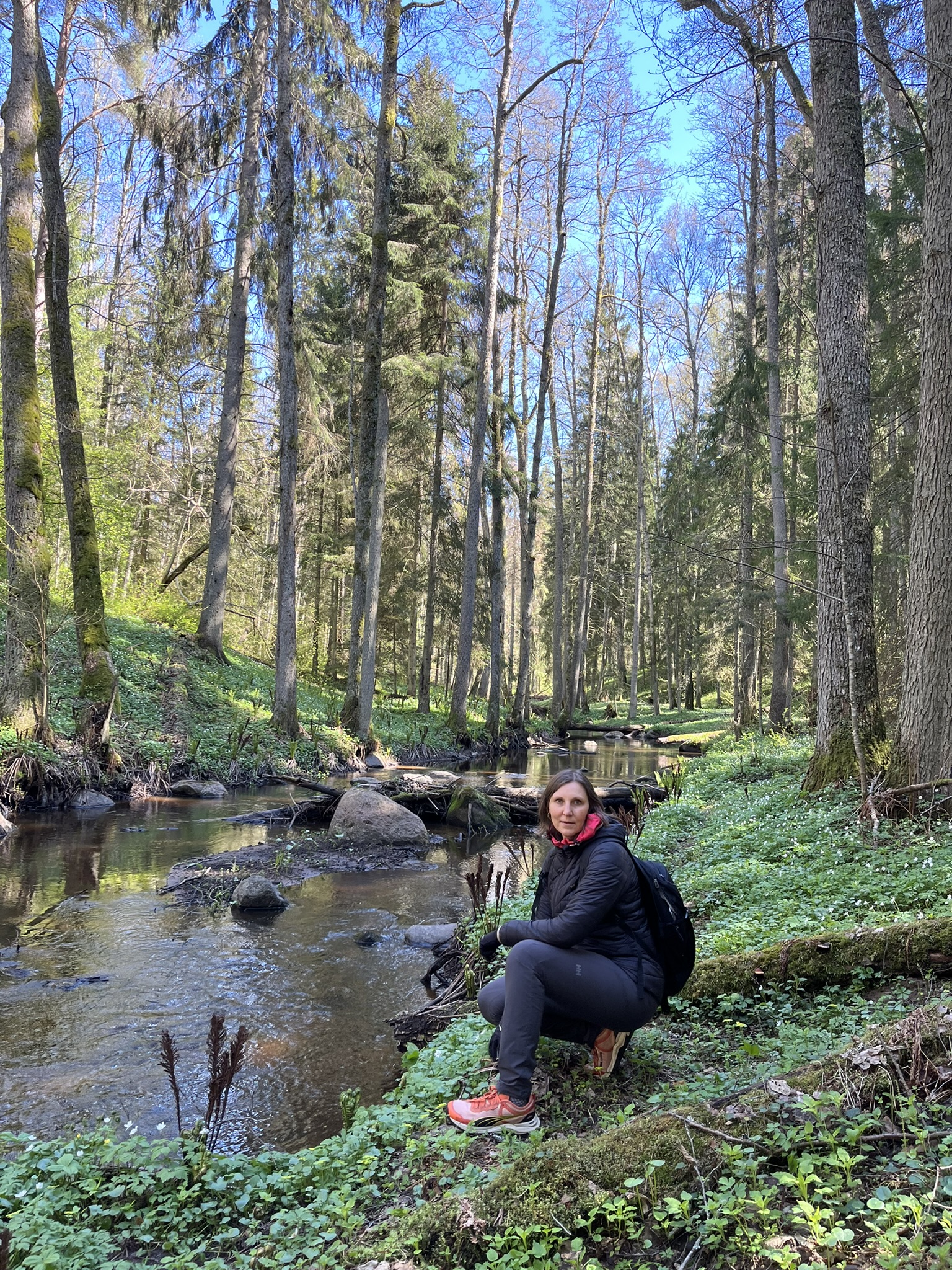
I spend a lot of time in nature, exploring different places. Some are places that many people don’t bother to walk to, others attract those who are genuinely passionate about hiking, and some are very easily accessible by car. You can notice a difference in how people behave. Of course, it’s always possible that it just seems that way to me, but still… I have the impression that longer trails, where you can’t conveniently get by car, are usually cleaner. Perhaps only those who have a deeper appreciation for spending time outdoors tend to go there. They also seem to pay more attention to protecting the environment.
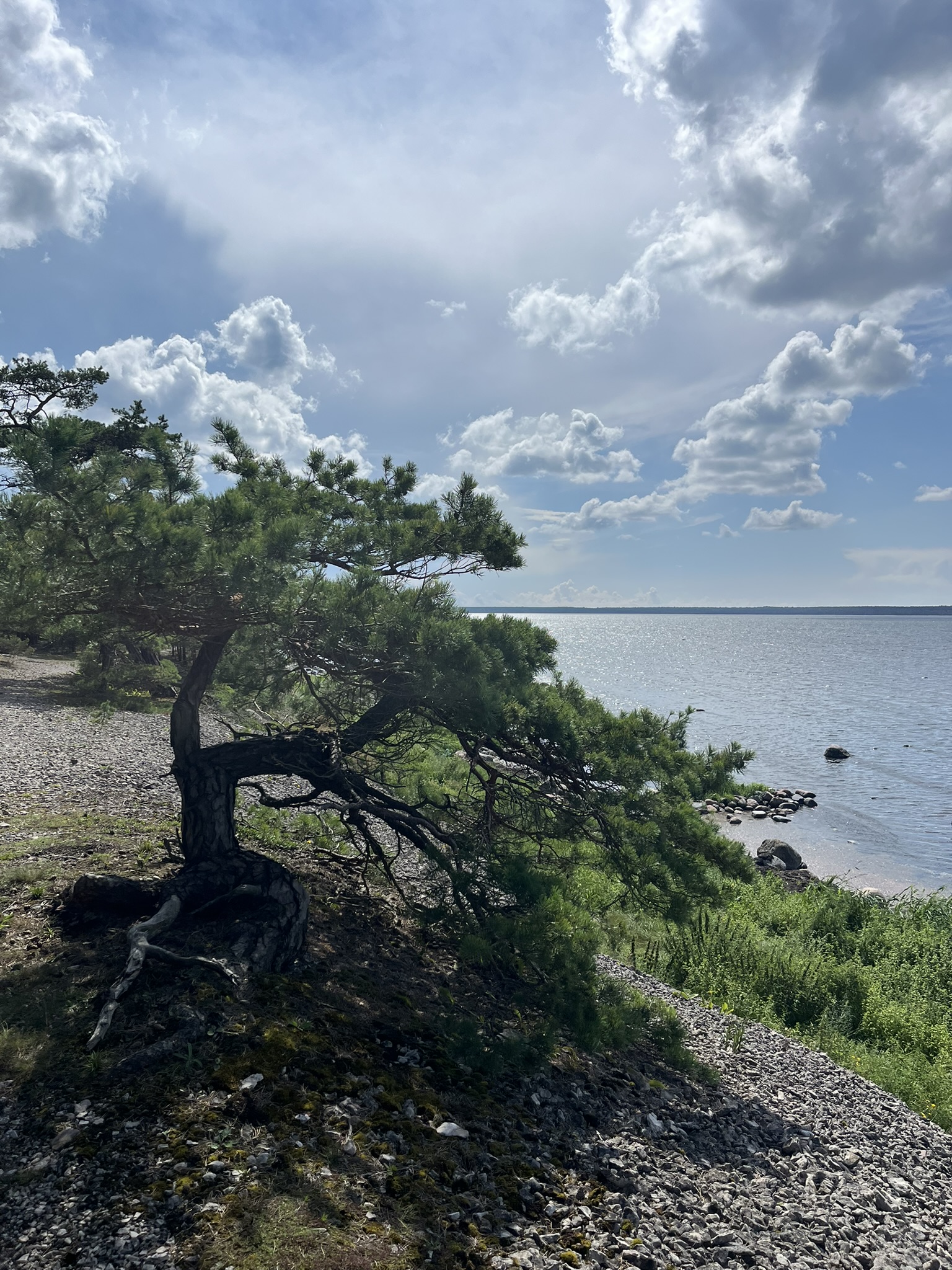
Hiking gives us the opportunity to experience nature up close, but at the same time, we need to make sure that our impact on the environment is as small as possible. Sustainable hiking does not require major sacrifices—often, a few small, conscious choices are enough to help preserve biodiversity and the natural balance.
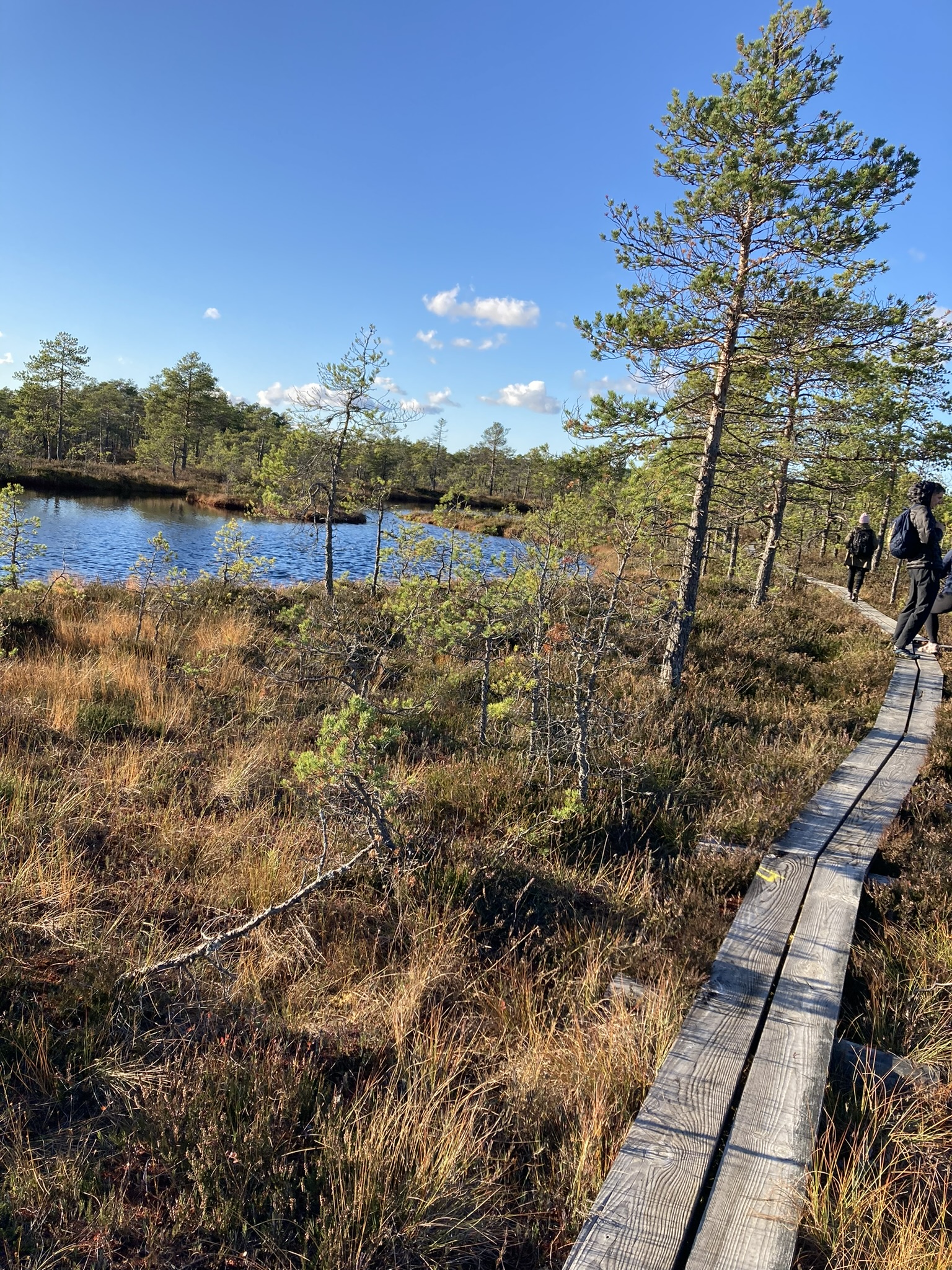
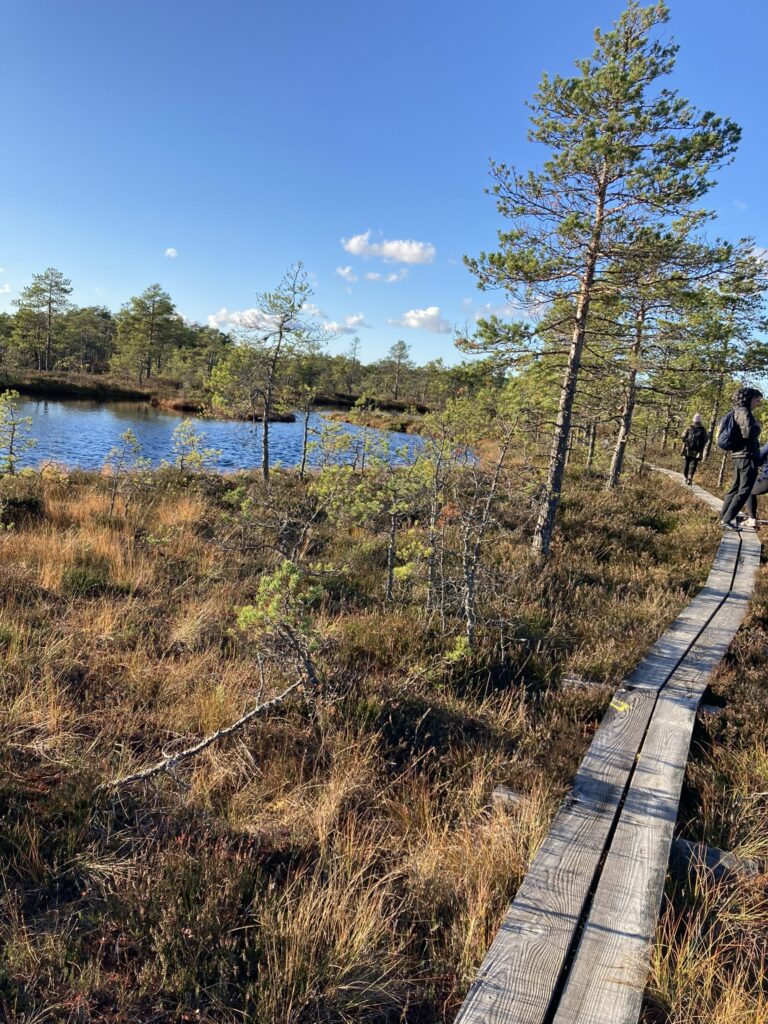
1. Stay on the trail. Use existing hiking trails to avoid damaging plants and fragile soil. This is especially important in protected areas and places where nature is particularly sensitive. Bog wooden trails are designed not only to make our movement safe and easy, but also to protect peat moss from damage. Peat moss grows only 1mm per year. Which means restoration on it can take decades.
2. Reduce waste. Bring food in reusable containers and carry a reusable water bottle instead of using disposable dishes and packaging. Everything you bring into the forest should also leave with you. If you managed to carry it into the forest, you can manage to carry it back out. Even if there are rubbish bins at a campsite, empty food containers left there can still attract birds and animals. They may get hold of the packaging, drag it around, and even injure themselves.
3. Think about transportation. If possible, take a train or bus to your hiking destination. If you travel by car, consider sharing the ride with other hikers. This reduces fuel consumption and your overall environmental impact. One of the best areas to get by train is Aegviidu. You can find lots of different RMK trails there, 2 food stores next to the station. Train schedule is here: www.elron.ee Viru bog is reachable by bus, schedule can be checked here: www.peatus.ee
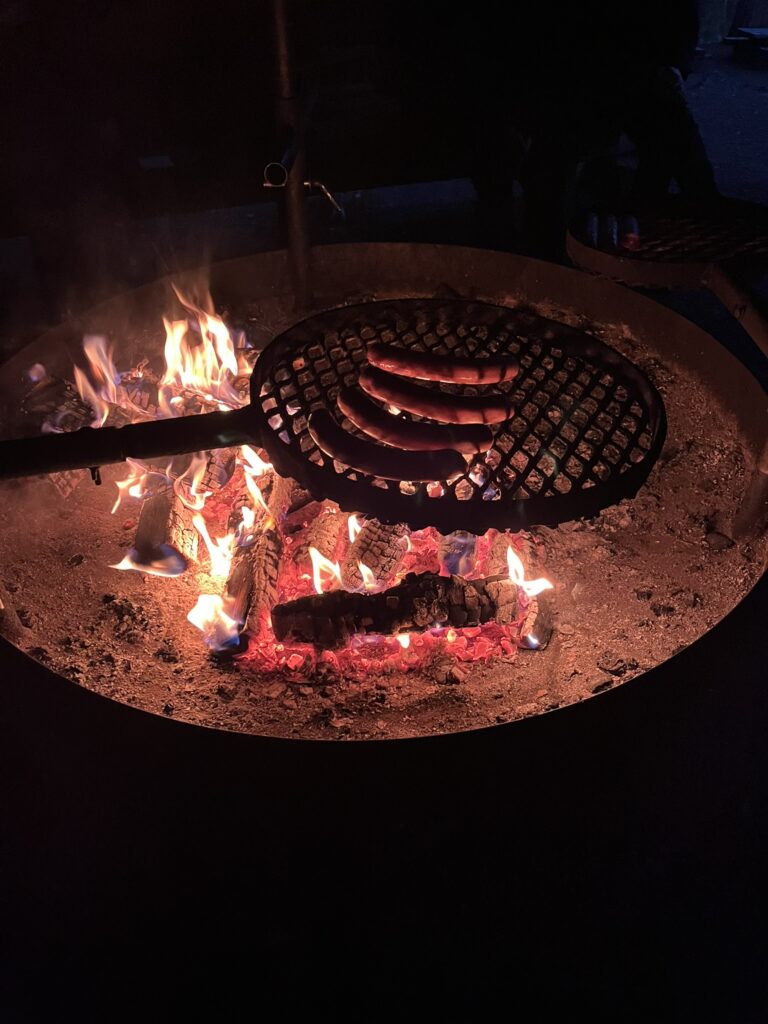
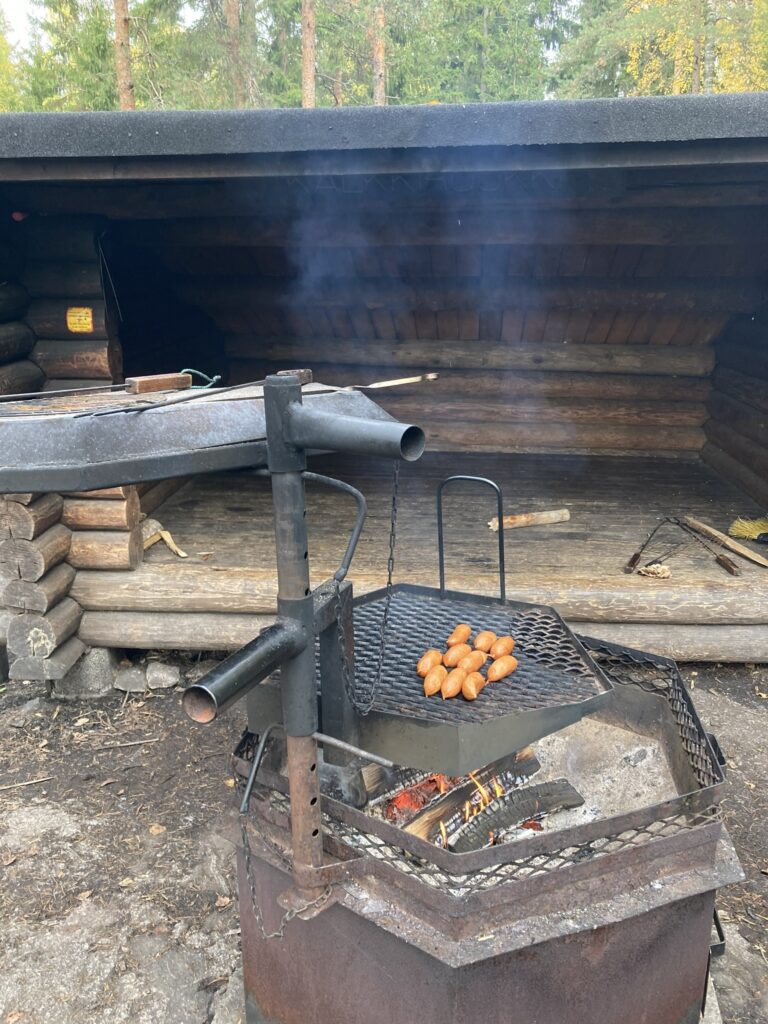
4. Only make a fire in designated areas. A campfire can be a wonderful part of a hike, but a fire in the wrong place can pose a serious risk of wildfire. Use existing fire pits and always make sure the fire is completely extinguished. We all saw terrifying news about wildfires in France and Spain, some of them started by careless hikers making fire.
5. Camp where it is permitted. Prefer official campsites and areas that have already been used for camping, and avoid trampling fragile ground. In protected areas, always check what restrictions apply. Restrictions are marked in RMK.ee and RMK application.
6. Respect wildlife and other people. Do not disturb animals, do not pick protected plants, and keep noise levels low. When you enter nature, you are a guest. Leave as little trace of your presence as possible.
A good hike is not only one you return from with beautiful memories. A good hike is also one after which nature is just as beautiful as it was before you arrived.