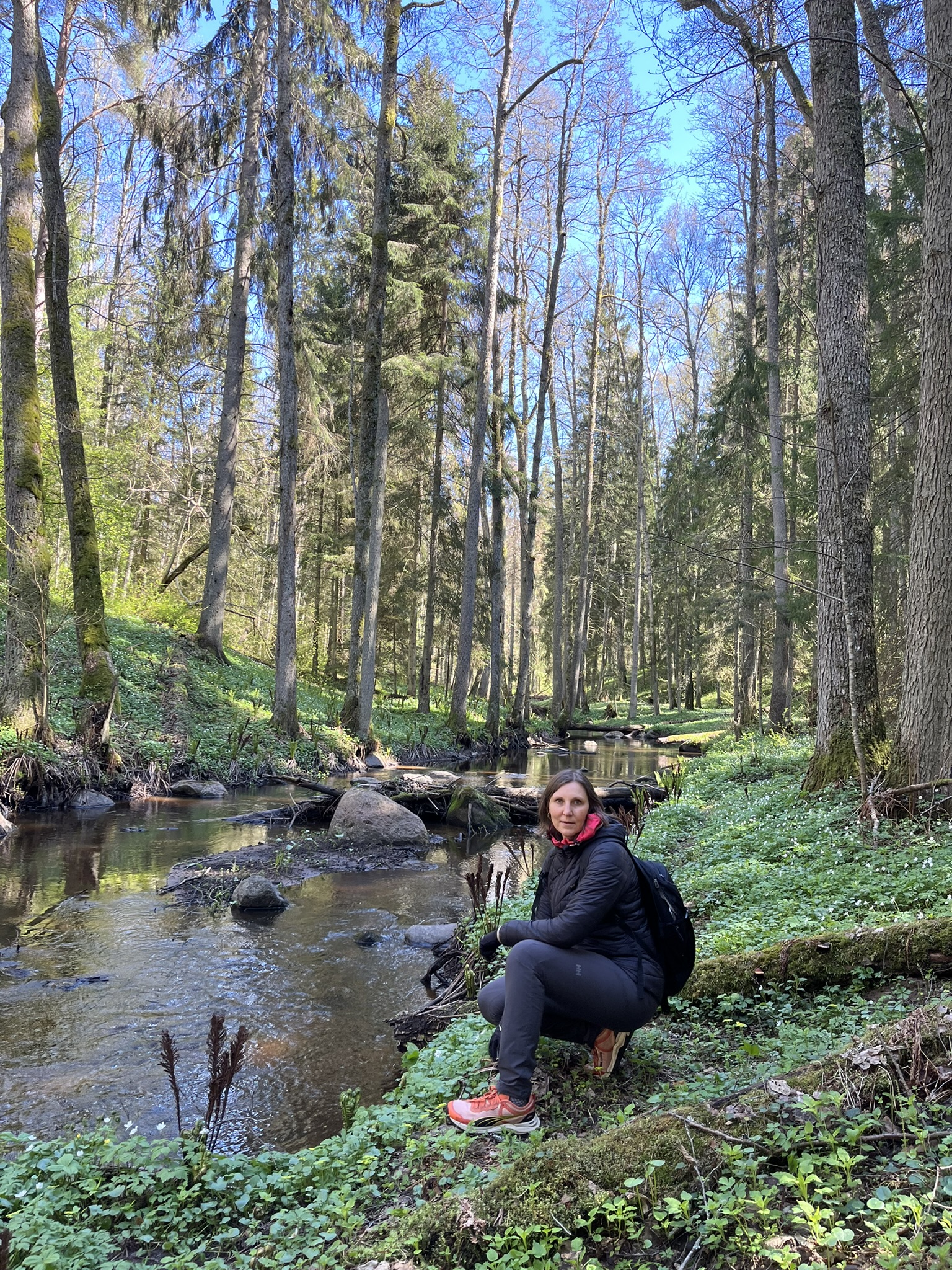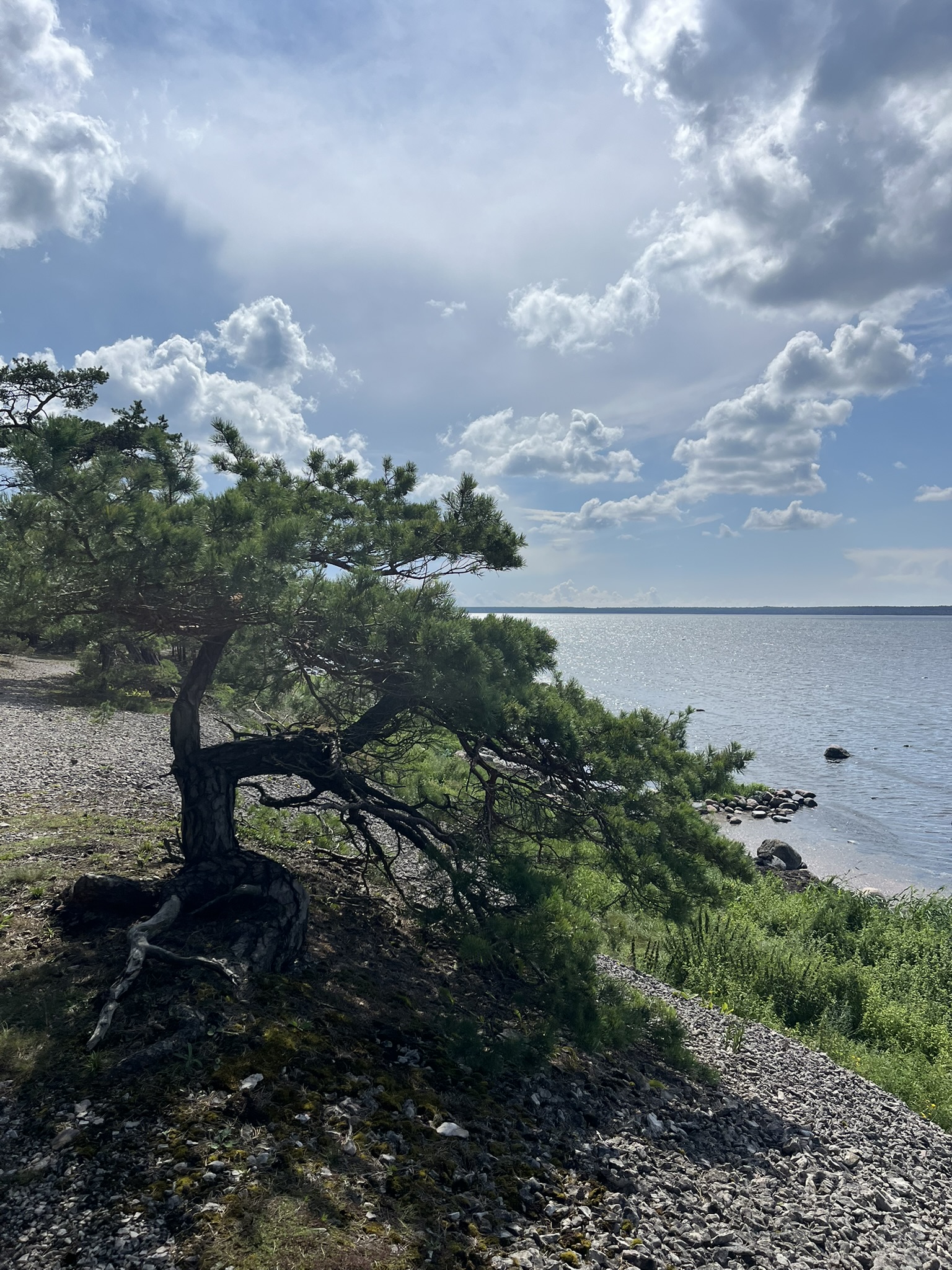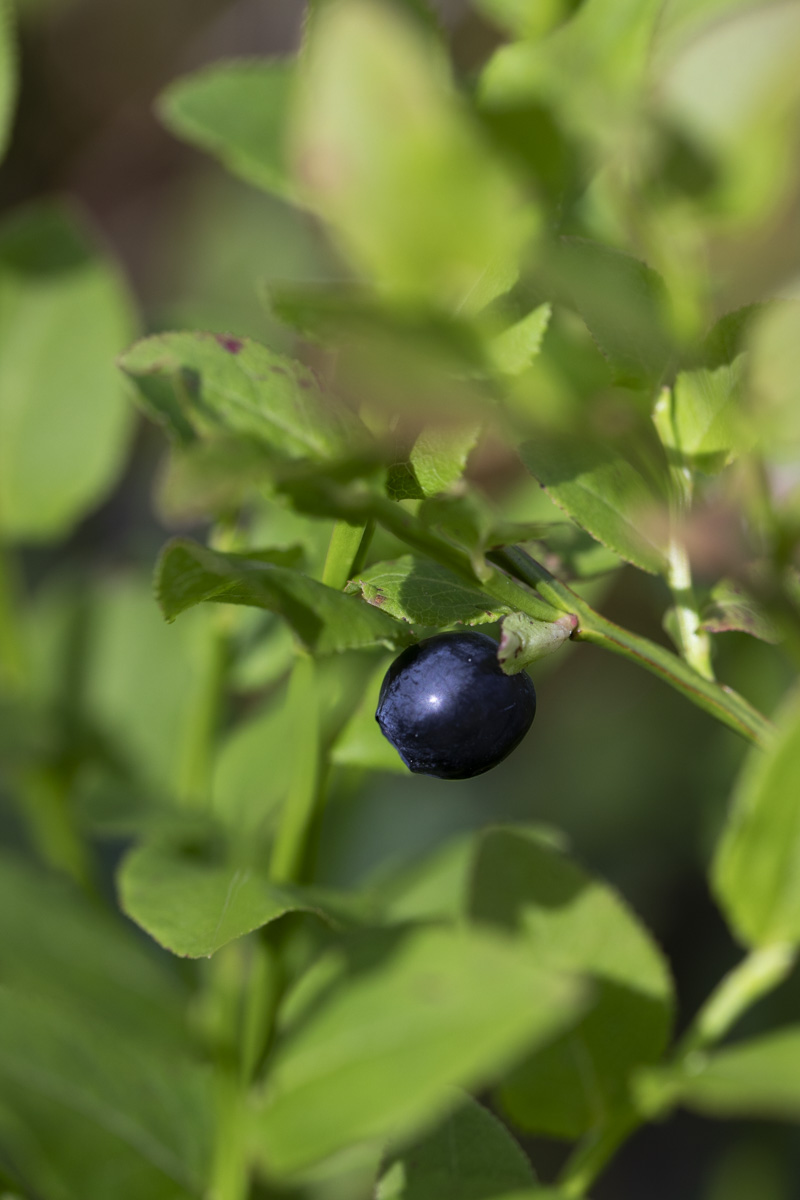
Estonian nature is generally considered to be rather safe, but there are still some things here that it is better to avoid. An adult person usually has a good enough sense of danger that if they are not absolutely sure about something, they do not put it in their mouth. With children it is a little different, and therefore it is necessary to explain to them that not every red or blue berry is edible.
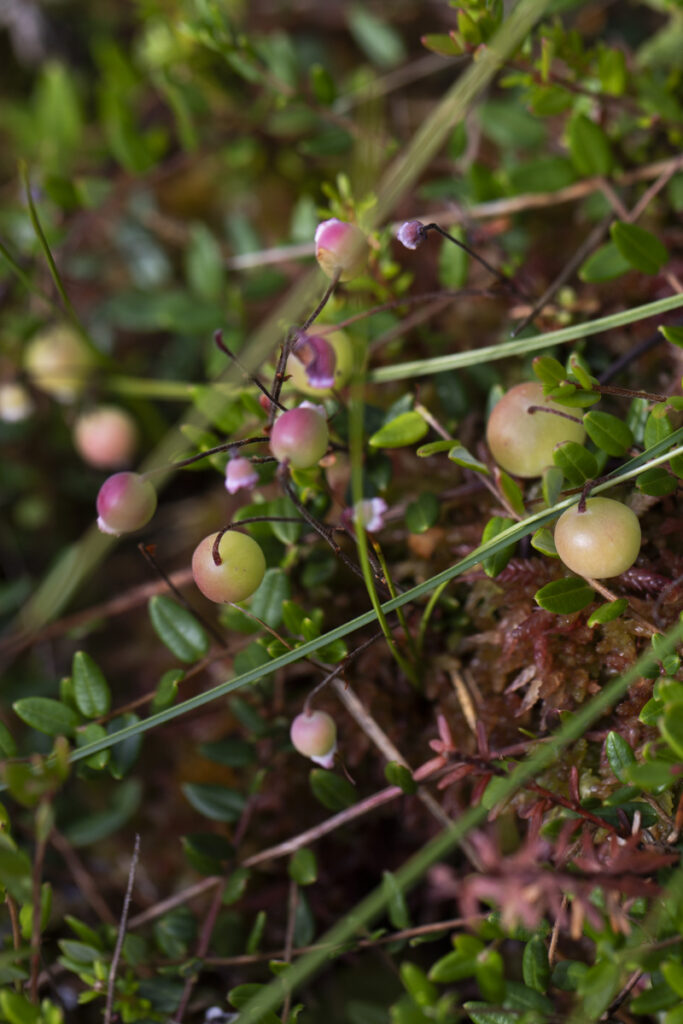
Estonian forests, meadows and the shores offer hikers many edible things. In different months, there is always something to find. For example, we have blueberries, lingonberries, cranberries, cloudberries, wild strawberries, wild garlic and other plants. But nature also contains plants whose berries, leaves, stems or roots can cause poisoning.
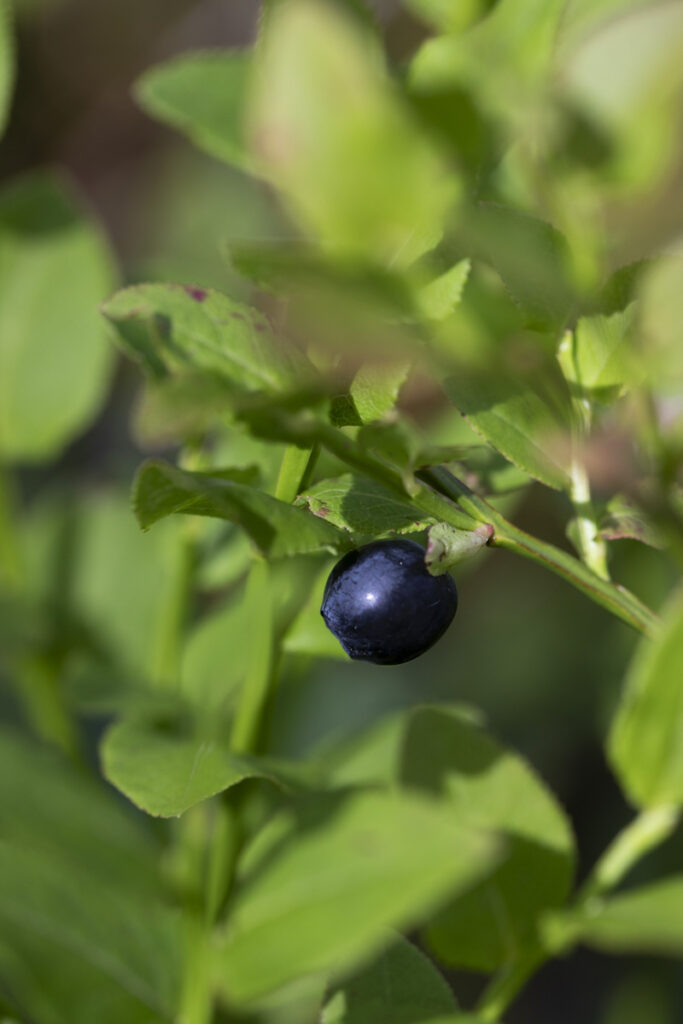
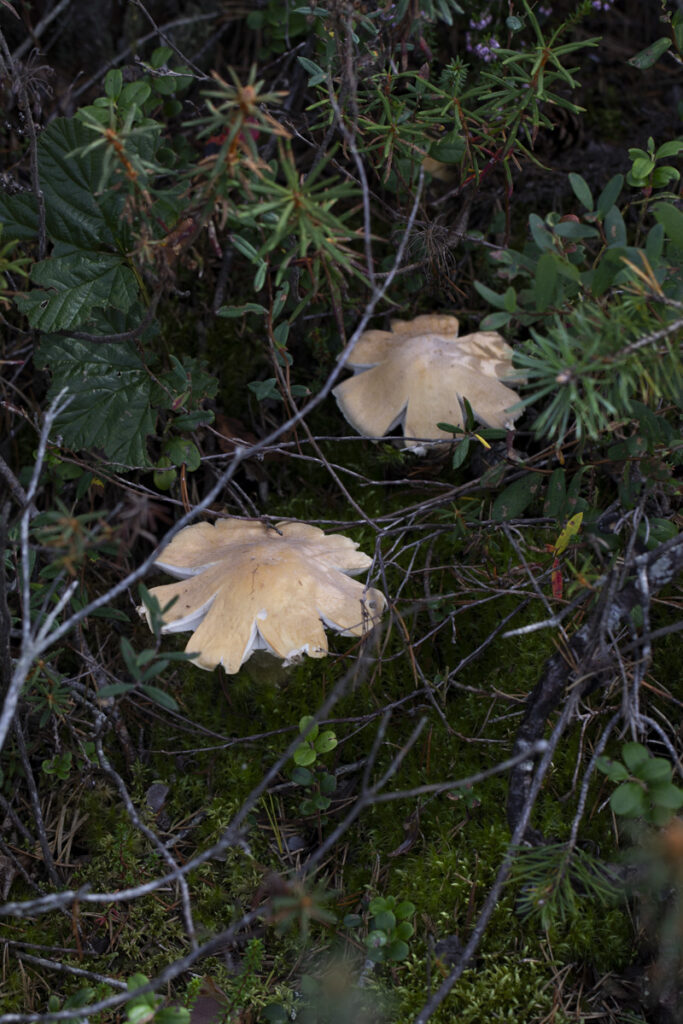
The most important rule is simple: do not eat a plant or berry in nature whose species you do not know with absolute certainty. A beautiful appearance, a pleasant smell or the fact that “someone else has eaten it” does not prove that a plant is edible. I also do not know everything that is edible or everything that is poisonous, but some examples from the poisonous group include yew, buckthorn, herb-paris, lily of the valley, and there are more of them.
Very often, they grow next to edible plants. For example, herb-paris can easily hide among blueberries, both being blue. Every spring, lily of the valley gets mixed up with wild garlic by someone.
As autumn arrives, the buckets become filled not only with berries but also with mushrooms. Here too, you need to make very sure how to identify an edible mushroom and how to process it later at home so that you do not have to turn to an ambulance after eating it.
But you can get poisoned not only by eating. Some plants should not even be touched. You have probably already heard of some hogweeds, contact with which can result in skin damage.
Even if you are careful enough not to eat or touch anything poisonous, pay attention to where you are stepping as well. Estonia has only two species of snakes, and one of them is venomous. The adder can actually sense you coming and is even more afraid of you than you are of it, but sometimes they have simply forgotten themselves while basking in the sun. So, let’s try not to hurt each other.
The main recommendation is: do not touch anything whose safety you are not completely sure about!
If you suspect that you may have consumed something poisonous, then in addition to the ambulance service, we have a Poison Information Centre.
Call the Poison Information Line at 16662.
The line also provides advice if you are not completely sure about the plant species or the amount eaten. It is also worth asking for advice if there are no symptoms yet, but there is already a suspicion.
- If possible, preserve the plant or take photos of it. Photograph the whole plant, leaves, flowers or fruits. This may help to identify the species.
- Write down when the plant was eaten and how much may have been eaten.
When to call 112?
If a person suspected of poisoning develops severe symptoms, such as impaired consciousness, seizures, difficulty breathing or the person is not breathing, it is worth calling the emergency number 112 immediately.
When hiking, it is also worth having a plant identification app on your phone, but the identification provided by the app should not be treated as absolute truth. When eating and possible poisoning are involved, it is wiser to remain cautious.
🌲 The best way to prevent poisoning is simple.
Pick and eat only what you are completely sure about the species of.
There is no need to know the name of every plant in the forest. For a hiker, it is much more important to be able to recognise the few plants and berries they want to eat and to know which of them may be dangerous. This way, the forest adventure remains enjoyable and no berry put into the mouth out of curiosity turns a hike into a trip to the emergency room.